



Solderless Clear Breadboard Assembly 3220 — Pro Series with Jumper Wires
Solderless Clear Breadboard Assembly 3220 Pro Series with Jumper Wires
Compatible JST cables for sensors and modules — secure & reliable. Shop now.

Couldn't load pickup availability
Solderless Clear Breadboard Assembly 3220 — Pro Series with Jumper Wires
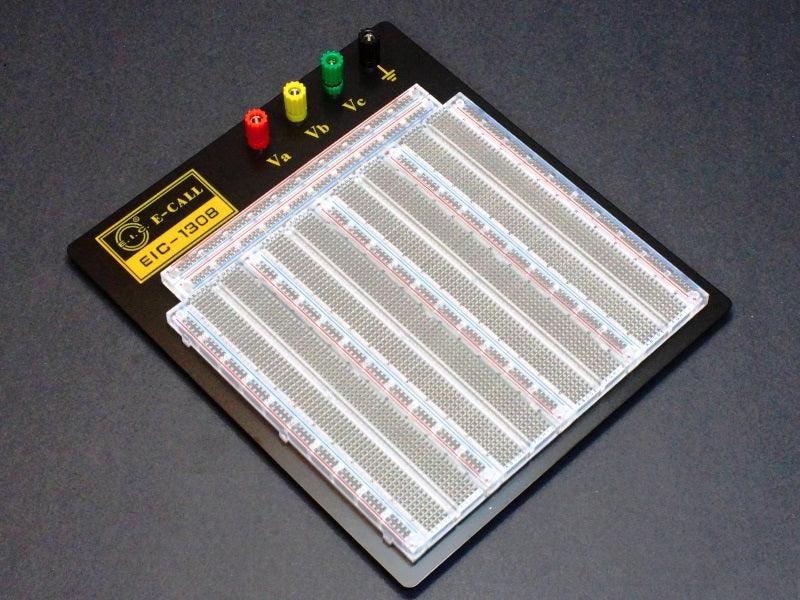
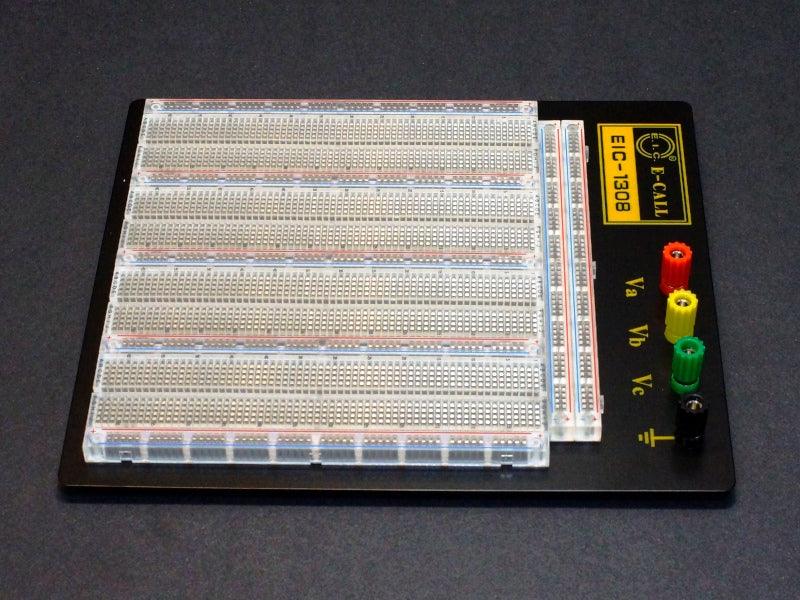
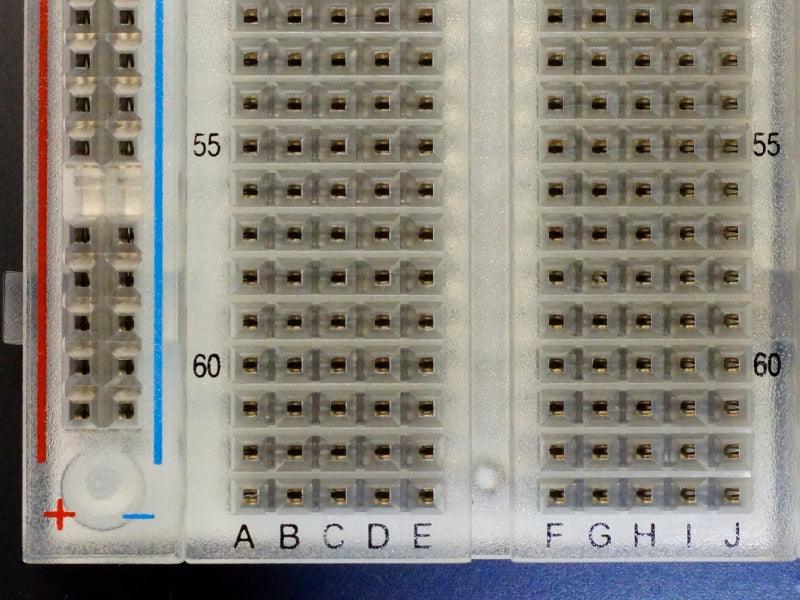
A 3220-point clear transparent solderless breadboard assembly from the Pro Series, bundled with a jumper wire kit — the largest standard breadboard size with a fully transparent clear body that lets you see the internal metal contact strips and component leads from underneath. The ideal choice for electronics teaching, classroom demonstrations, and verifying that components are correctly seated in the contacts.
Pro Series quality means premium phosphor bronze contacts with a binding force exceeding 80g per contact, delivering lower contact resistance, more secure component retention, and a longer rated service life. With 3220 tie-points, you have more than four times the workspace of a standard 830-point breadboard.
What's Included
- 1× 3220-point clear transparent solderless breadboard (Pro Series)
- Jumper wire kit — assorted lengths and colors
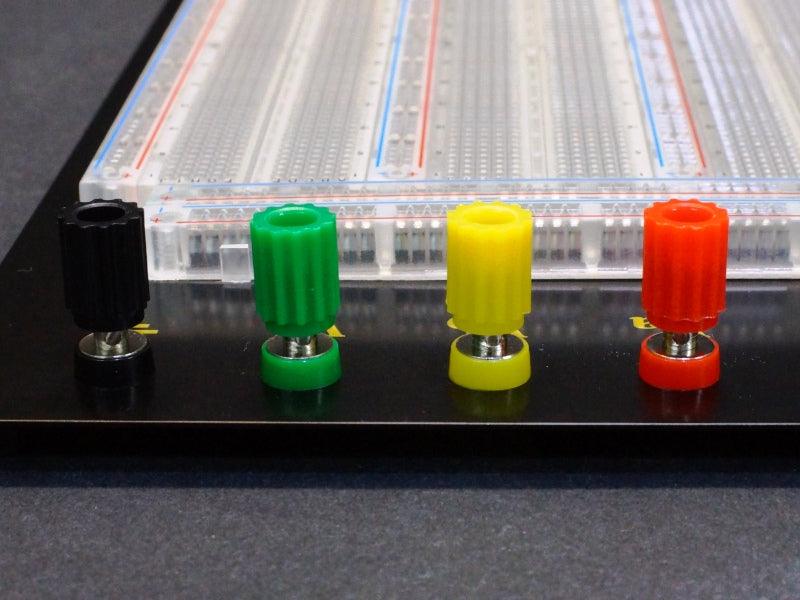
- Multiple integrated power rails — dedicated + and − bus strips across the full board length
Key Specifications
- Tie points: 3220 | Series: Pro Series (premium contacts)
- Body: Clear transparent ABS | Contact material: Premium phosphor bronze
- Binding force: >80g per contact | Pitch: 2.54mm (0.1")
- Wire gauge: AWG #20–#29 | Max voltage: 300V | Max current: 3A
- Operating temperature: −20°C to +80°C | RoHS compliant
Why Choose the Clear 3220 Pro Series?
- ✅ Transparent clear body — see internal contacts and component leads from underneath, verify connections visually
- ✅ Ideal for teaching — students can see exactly how breadboard contacts work internally
- ✅ Pro Series premium contacts — >80g binding force, lower resistance, longer service life
- ✅ 3220 tie-points — maximum workspace, >4× the space of a standard 830-point board
- ✅ Multiple power rails — clean + and − power distribution across the full board length
- ✅ Jumper wires included — ready to prototype immediately out of the box
- ✅ Universal 2.54mm pitch — compatible with all DIP ICs, Arduino shields, and sensor modules
Typical Applications
- Electronics classroom teaching and live demonstrations at maximum scale
- Verifying breadboard connections and component seating visually
- Large-scale Arduino Mega, ESP32, and Raspberry Pi Pico multi-module projects
- Professional electronics lab and R&D bench prototyping
- Advanced STEM education, electronics research, and university lab projects
- Photography and video content creation (visible internal contact structure)

Blog posts
View all-

IC Chips & Discrete Components Express Shipping...
Shipping IC chips and discrete electronic components internationally requires more than choosing a carrier. ESD-safe packaging, correct HS codes, accurate customs declarations, and carrier selection for your destination all determine...
IC Chips & Discrete Components Express Shipping...
Shipping IC chips and discrete electronic components internationally requires more than choosing a carrier. ESD-safe packaging, correct HS codes, accurate customs declarations, and carrier selection for your destination all determine...
-

From Prototype to Mass Production — How to Scal...
Scaling from prototype to mass production is the most critical transition in a hardware product's lifecycle. The sourcing strategy that works for 10 prototype boards — cut tape, spot pricing,...
From Prototype to Mass Production — How to Scal...
Scaling from prototype to mass production is the most critical transition in a hardware product's lifecycle. The sourcing strategy that works for 10 prototype boards — cut tape, spot pricing,...
-

ISO 9001 Electronic Component Distributor — Wha...
ISO 9001:2015 certification is the most widely recognized quality management standard in the world — but what does it actually mean when an electronic component distributor claims to be ISO...
ISO 9001 Electronic Component Distributor — Wha...
ISO 9001:2015 certification is the most widely recognized quality management standard in the world — but what does it actually mean when an electronic component distributor claims to be ISO...


