



Solderless Clear Breadboard 830 — Hobby Line, Transparent
Solderless Clear Breadboard 830 Hobby Line, Transparent
Compatible JST cables for sensors and modules — secure & reliable. Shop now.

Couldn't load pickup availability
Solderless Clear Breadboard 830 — Hobby Line, Transparent
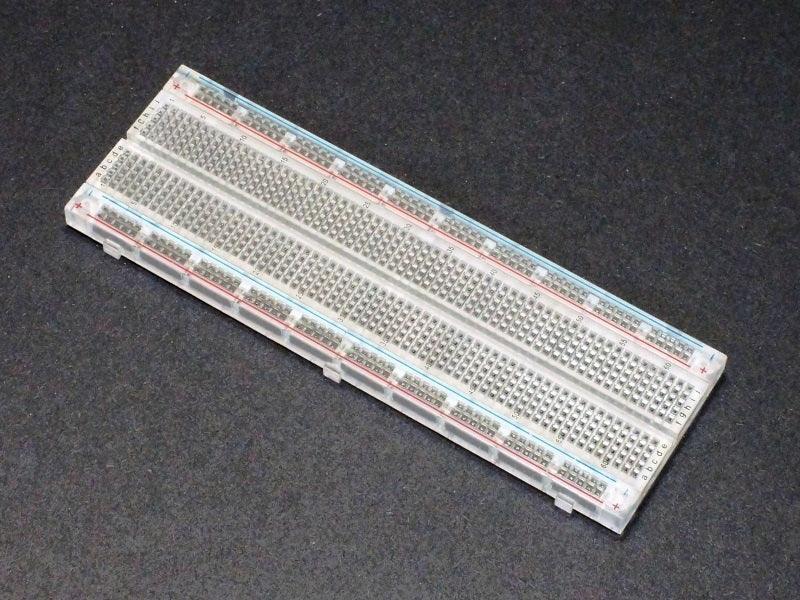
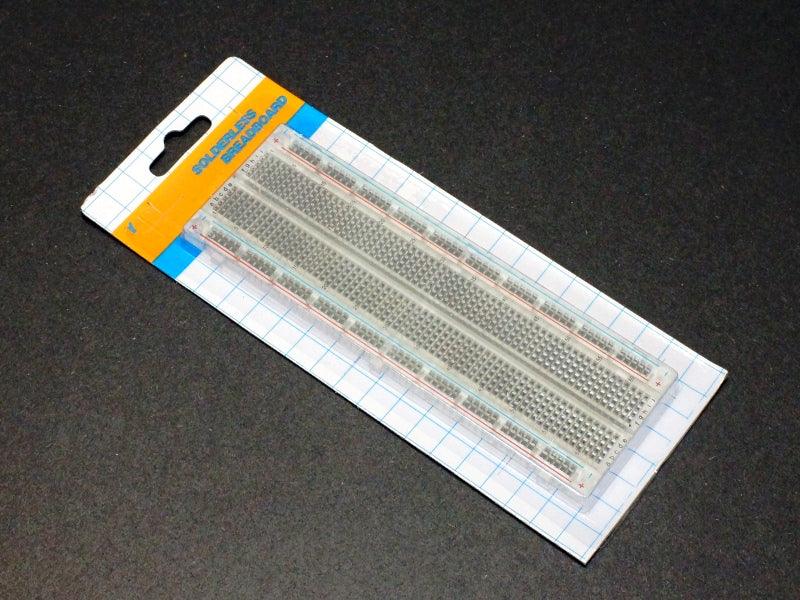
An 830-point clear transparent solderless breadboard (Hobby Line) — the standard full-size breadboard with a transparent clear body that lets you see the internal contact strips and wiring from underneath. Ideal for teaching, demonstrations, and verifying connections in Arduino and electronics projects.
Key Features
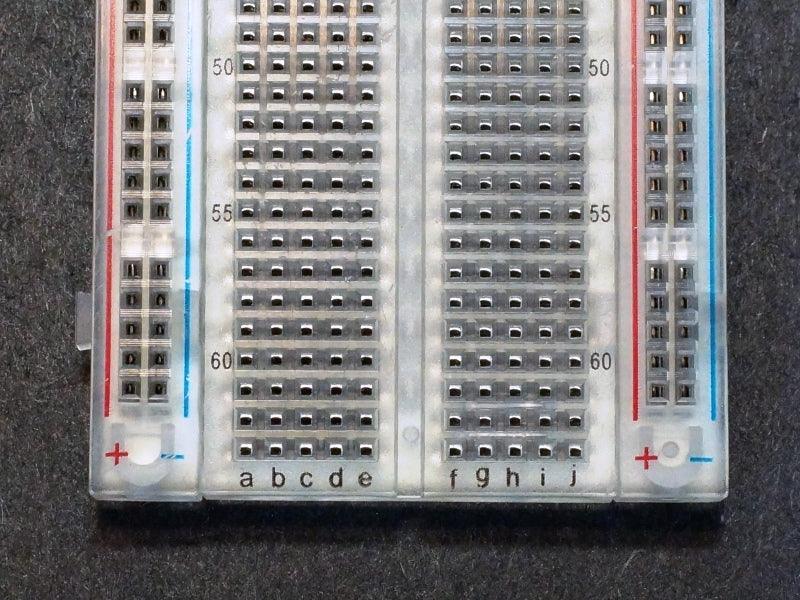
- ✅ 830 tie-points — standard full-size for Arduino and electronics prototyping
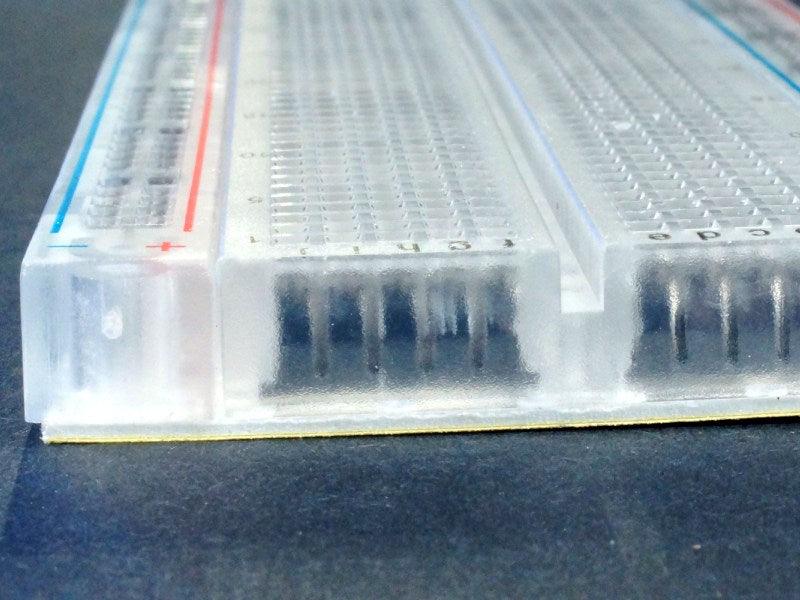
- ✅ Clear transparent body — see internal contacts and wiring from underneath
- ✅ Power rails — dedicated + and − power bus strips on both sides
- ✅ No soldering required — insert and remove components freely
- ✅ RoHS compliant
Typical Applications
- Electronics teaching and classroom demonstrations
- Arduino Uno and Mega circuit prototyping
- Verifying breadboard connections visually
- Electronics learning projects

Blog posts
View all-

IC Chips & Discrete Components Express Shipping...
Shipping IC chips and discrete electronic components internationally requires more than choosing a carrier. ESD-safe packaging, correct HS codes, accurate customs declarations, and carrier selection for your destination all determine...
IC Chips & Discrete Components Express Shipping...
Shipping IC chips and discrete electronic components internationally requires more than choosing a carrier. ESD-safe packaging, correct HS codes, accurate customs declarations, and carrier selection for your destination all determine...
-

From Prototype to Mass Production — How to Scal...
Scaling from prototype to mass production is the most critical transition in a hardware product's lifecycle. The sourcing strategy that works for 10 prototype boards — cut tape, spot pricing,...
From Prototype to Mass Production — How to Scal...
Scaling from prototype to mass production is the most critical transition in a hardware product's lifecycle. The sourcing strategy that works for 10 prototype boards — cut tape, spot pricing,...
-

ISO 9001 Electronic Component Distributor — Wha...
ISO 9001:2015 certification is the most widely recognized quality management standard in the world — but what does it actually mean when an electronic component distributor claims to be ISO...
ISO 9001 Electronic Component Distributor — Wha...
ISO 9001:2015 certification is the most widely recognized quality management standard in the world — but what does it actually mean when an electronic component distributor claims to be ISO...


