



Universal Prototype PCB Board 4×6cm — Double-Sided FR4 for Electronics Projects
Universal Prototype PCB Board 4×6cm Double-Sided FR4 for Electronics Projects
Compatible JST cables for sensors and modules — secure & reliable. Shop now.

Couldn't load pickup availability
Universal Prototype PCB Board — 4×6 cm, Double-Sided FR4
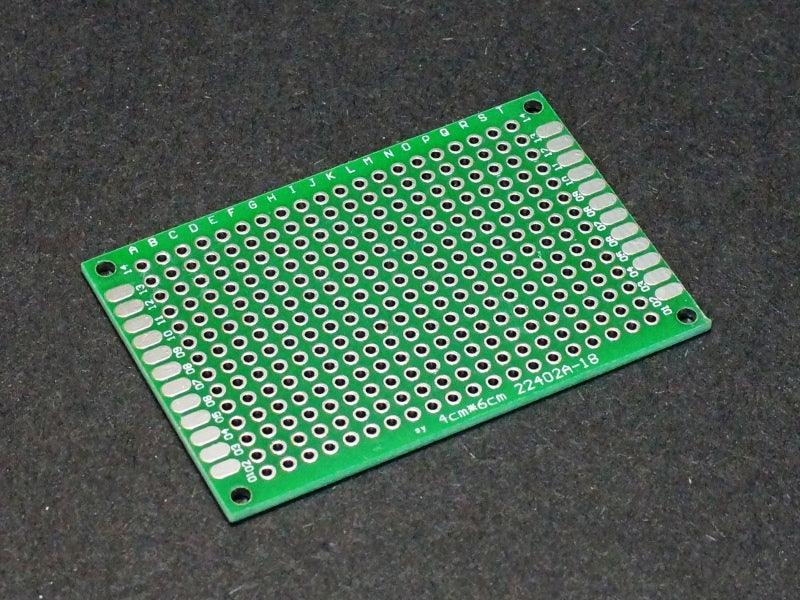
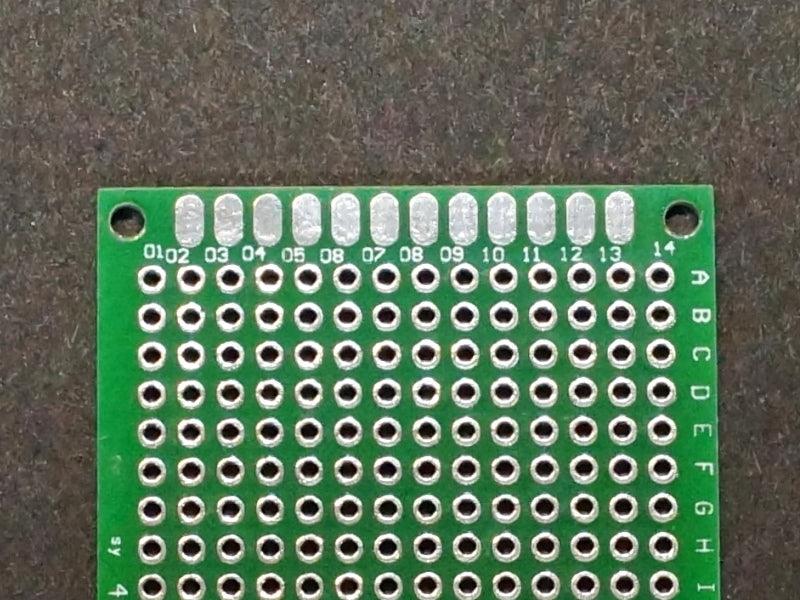
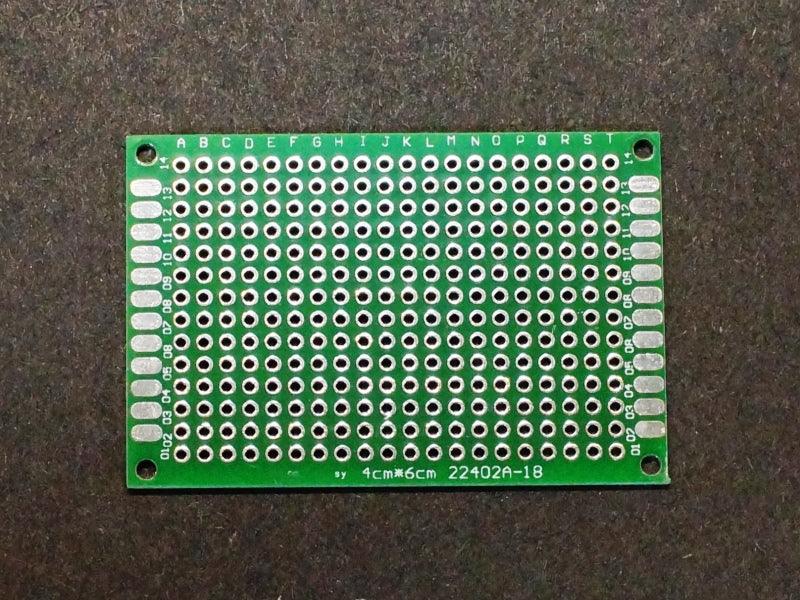
The 4×6 cm universal prototype PCB board is the small form-factor prototyping board — perfect for sensor breakout circuits, Arduino Nano builds, and compact single-stage designs that need to fit in tight enclosures or wearable projects. With a double-sided FR4 fiberglass substrate and a 2.54mm (0.1") pitch through-hole grid, it accepts all standard DIP ICs, resistors, capacitors, and connectors without adapters.
Key Features
- 4×6 cm working area — small form factor, ideal for sensor breakouts and compact circuit builds
- Double-sided copper layer — solder on both sides for denser routing and ground plane connections
- FR4 fiberglass substrate — rigid, dimensionally stable, rated for standard soldering temperatures
- 2.54mm (0.1") pitch through-hole grid — compatible with all standard DIP components and pin headers
- Tin-plated through-holes — excellent solderability, corrosion-resistant pads
Typical Applications
- Sensor breakout and interface circuit assembly
- Arduino Nano and Pro Mini compact builds
- Small power supply and regulator circuits
- Wearable and embedded electronics prototyping
- Custom PCB replacement for compact electronics
Technical Specifications
- Dimensions: 4 × 6 cm
- Substrate: FR4 fiberglass
- Copper Layers: Double-sided
- Hole Pitch: 2.54 mm (0.1")
- Surface Finish: Tin-plated
- Brand: Keszoox
- Origin: Mainland China

Blog posts
View all-

IC Chips & Discrete Components Express Shipping...
Shipping IC chips and discrete electronic components internationally requires more than choosing a carrier. ESD-safe packaging, correct HS codes, accurate customs declarations, and carrier selection for your destination all determine...
IC Chips & Discrete Components Express Shipping...
Shipping IC chips and discrete electronic components internationally requires more than choosing a carrier. ESD-safe packaging, correct HS codes, accurate customs declarations, and carrier selection for your destination all determine...
-

From Prototype to Mass Production — How to Scal...
Scaling from prototype to mass production is the most critical transition in a hardware product's lifecycle. The sourcing strategy that works for 10 prototype boards — cut tape, spot pricing,...
From Prototype to Mass Production — How to Scal...
Scaling from prototype to mass production is the most critical transition in a hardware product's lifecycle. The sourcing strategy that works for 10 prototype boards — cut tape, spot pricing,...
-

ISO 9001 Electronic Component Distributor — Wha...
ISO 9001:2015 certification is the most widely recognized quality management standard in the world — but what does it actually mean when an electronic component distributor claims to be ISO...
ISO 9001 Electronic Component Distributor — Wha...
ISO 9001:2015 certification is the most widely recognized quality management standard in the world — but what does it actually mean when an electronic component distributor claims to be ISO...


