



Keszoox
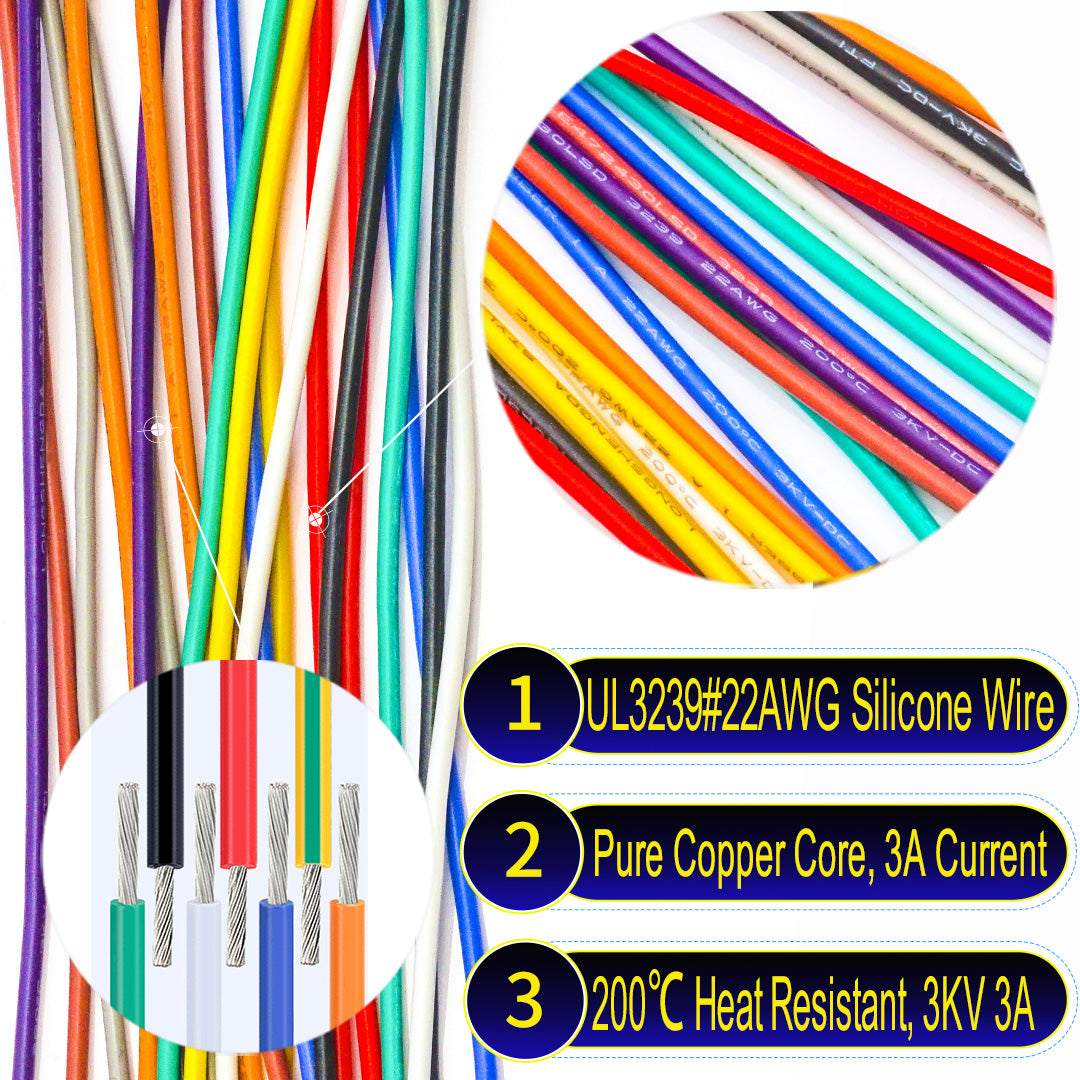
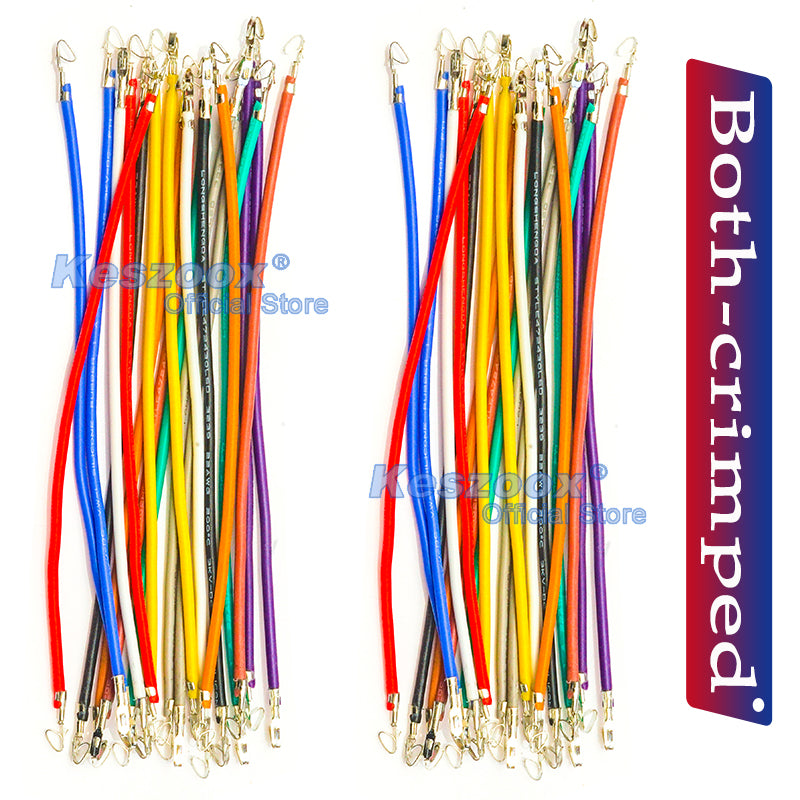
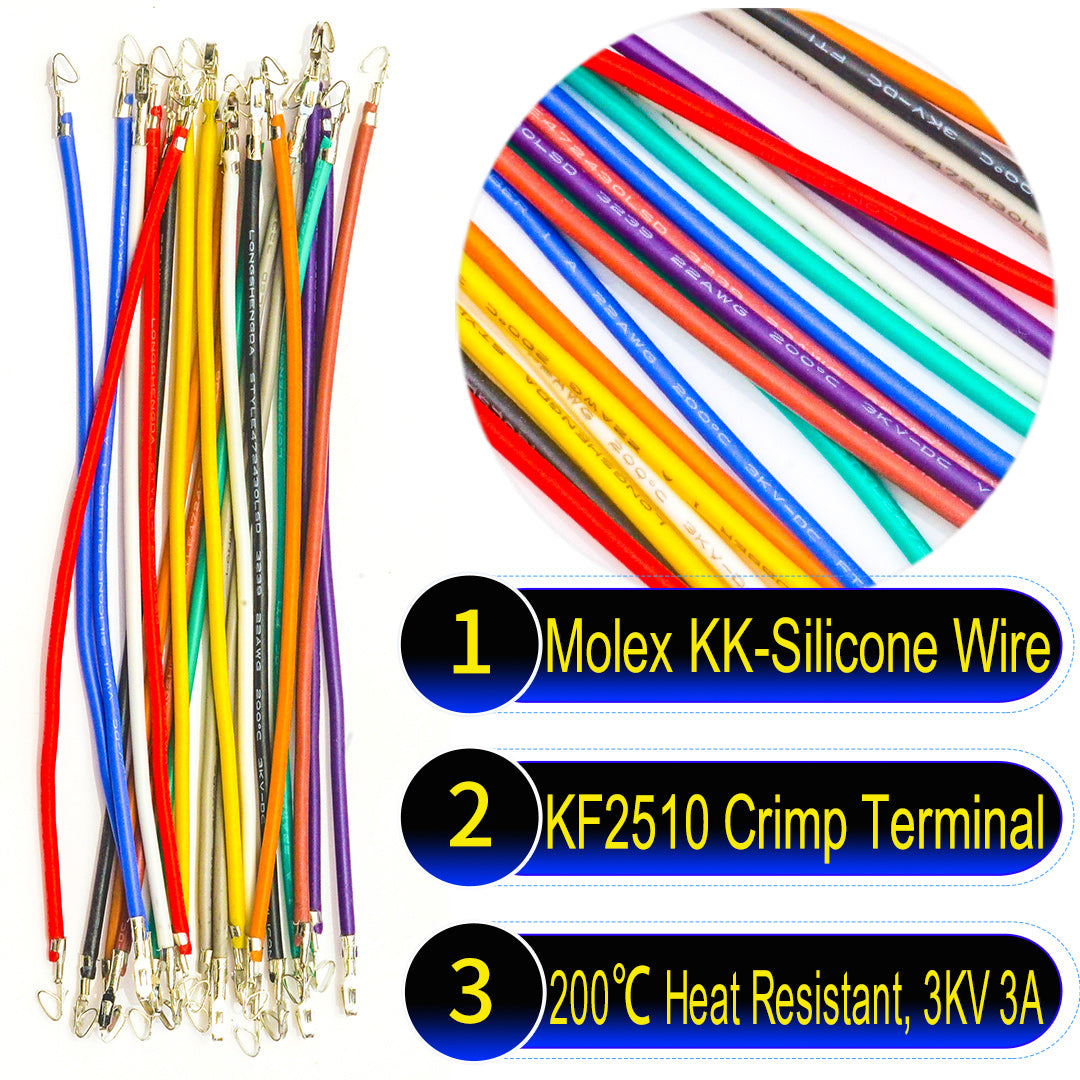
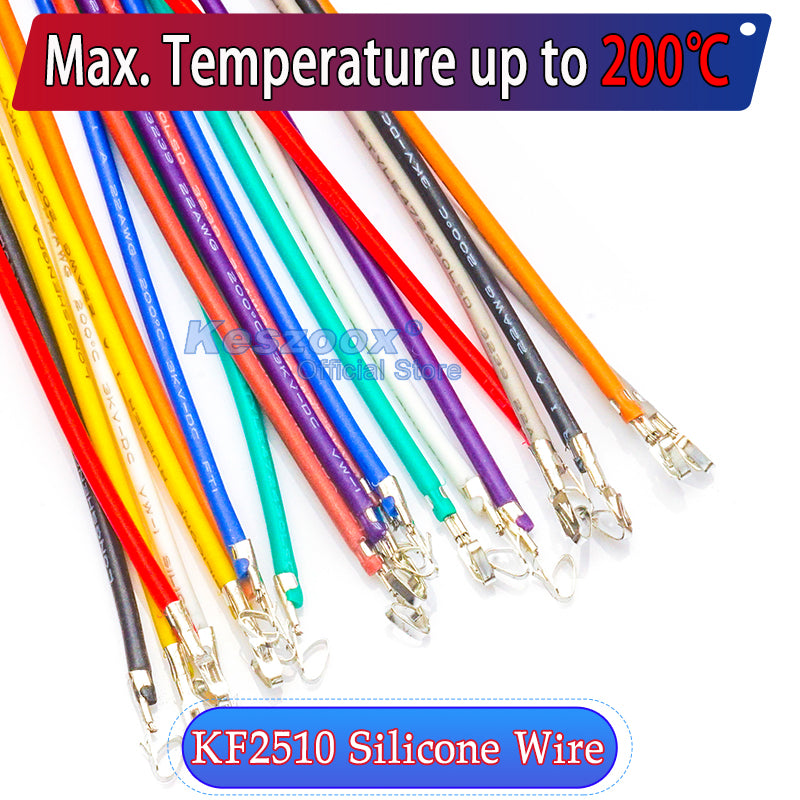
Molex KK 254 2.54mm KF2510 Female Both-Sided Silicone Cable 22AWG UL3239 200°C 3KV 3A
Molex KK 254 2.54mm KF2510 Female Both-Sided Silicone Cable 22AWG UL3239 200°C 3KV 3A

Couldn't load pickup availability
Molex KK 254 / KF2510 2.54mm Both-Sided Silicone Cable — 200°C / 3KV / 3A
The KF2510 both-sided silicone cable is the high-temperature board-to-board variant, featuring Molex KK 254 compatible housings on both ends with UL3239 silicone insulation rated to 200°C, 3KV, and 3A. Use this cable when you need a complete plug-and-play board-to-board connection in high-temperature or high-flex environments. Available in 2P to 12P at 2.54mm pitch.
Key Specifications
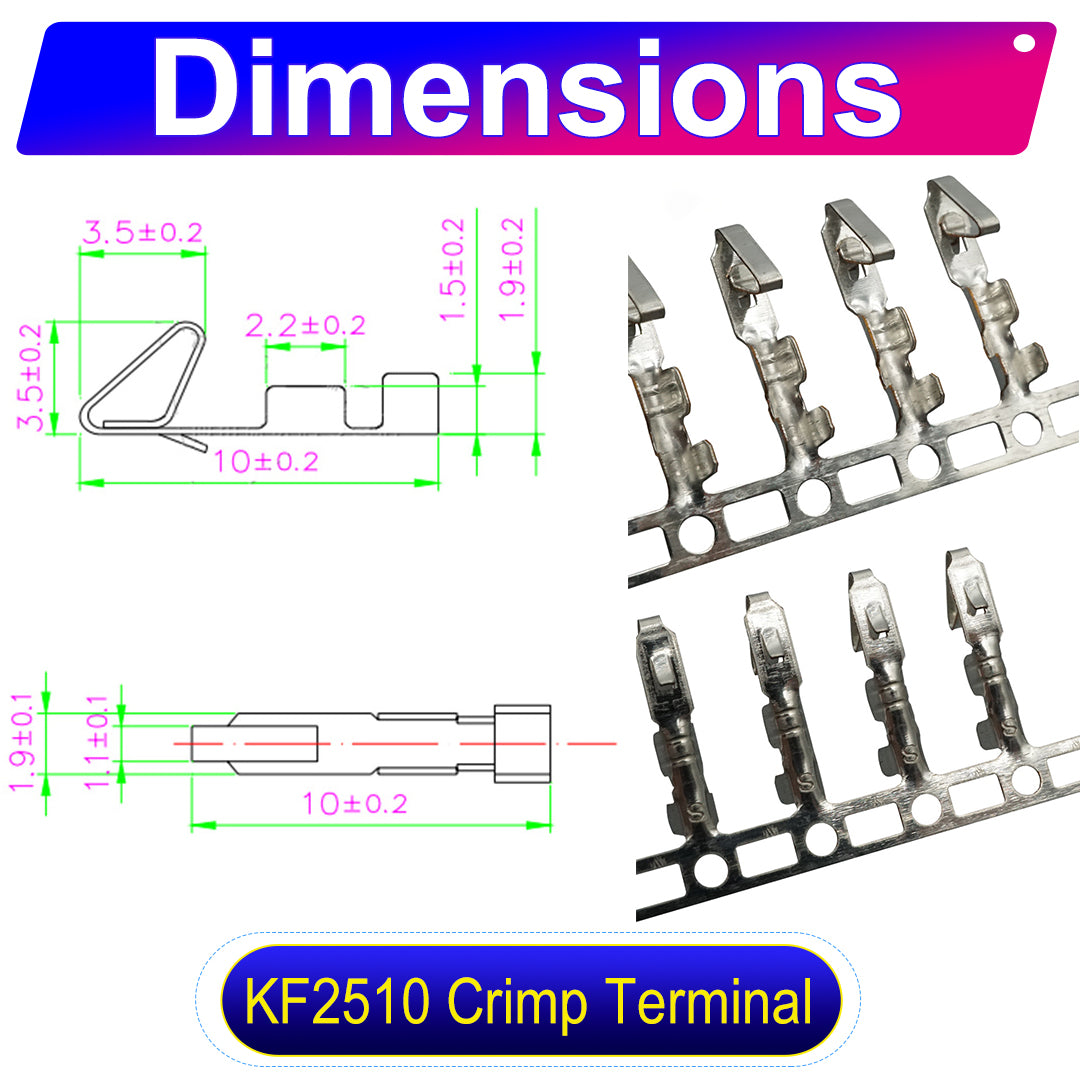
- Pitch: 2.54mm (0.1") — compatible with Molex KK 254, KF2510, and all standard 0.1" pin headers
- Pin Count: 2P, 3P, 4P, 5P, 6P, 7P, 8P, 9P, 10P, 11P, 12P
- Wire: 22AWG UL3239 Silicone
- Temperature Rating: 200°C (vs. 80°C for standard UL1007 PVC)
- Voltage Rating: 3KV (vs. 300V for standard UL1007)
- Current Rating: 3A per contact
- Housing: KF2510 / Molex KK 254 compatible female crimp housing, both ends
- Flexibility: Ultra-flexible silicone jacket — significantly more flexible than PVC
- Compliance: RoHS compliant; UL-certified wire
Both-Sided Silicone vs. Single-Head Silicone
- Both-sided silicone (this product): KF2510 housings on both ends. Fully assembled, plug-and-play board-to-board connection. Use when both ends connect to PCB headers in a high-temperature environment.
- Single-head silicone: KF2510 housing on one end, bare wire on the other. Use when one end solders to a PCB pad, screw terminal, or sensor body in a high-temperature environment.
Why Silicone Instead of PVC?
Standard UL1007 PVC insulation softens above 80°C. UL3239 silicone insulation remains stable up to 200°C, does not emit toxic fumes under heat, and is significantly more flexible than PVC — critical for cables subject to continuous movement or routed near heat sources.
Typical Applications
- 3D printers: Hotend carriage board-to-board connections, heated bed extension cables, stepper driver to motor board wiring near heat sources
- Industrial heating systems: Temperature controller to sensor board wiring, heating element control harnesses
- Robotics: Joint-crossing cables subject to continuous flexing in high-temperature environments
- CNC machines: Spindle control and servo feedback wiring in high-temperature enclosures
- Automotive and motorsport: Engine bay board-to-board connections, ECU harness extensions near exhaust
- High-power LED systems: Driver board to control board wiring near high-wattage LED modules
Compatibility
Mates with all standard 2.54mm / 0.1" pitch PCB headers including Molex KK 254 Series 4030, 42375, 42376, 42377, 6373, 6410, generic KF2510, and Harwin M20. Not compatible with JST XH (2.5mm pitch).
Frequently Asked Questions
Q: What is the difference between this and the standard both-sided KF2510 cable?
A: The wire insulation. This cable uses UL3239 silicone rated to 200°C / 3KV, while the standard cable uses UL1007 PVC rated to 80°C / 300V. The connector housings and pin compatibility are identical.
Q: Is this cable suitable for 3D printer heated bed wiring?
A: Yes. Heated beds typically operate at 60–110°C. UL3239 silicone cable rated to 200°C provides a safe margin. The ultra-flexible silicone jacket also handles the continuous movement of a moving bed without fatigue cracking.
Q: Can I use this cable outdoors or in UV-exposed environments?
A: Silicone insulation has good UV resistance compared to PVC, but prolonged direct UV exposure will degrade any polymer insulation over time. For outdoor applications, use UV-stabilized cable or protect with conduit.
Q: What is the minimum bend radius for this cable?
A: Silicone cable has a significantly smaller minimum bend radius than PVC due to its higher flexibility. As a general guideline, maintain a bend radius of at least 5× the cable outer diameter for continuous flexing applications.

Blog posts
View all-

IC Chips & Discrete Components Express Shipping...
Shipping IC chips and discrete electronic components internationally requires more than choosing a carrier. ESD-safe packaging, correct HS codes, accurate customs declarations, and carrier selection for your destination all determine...
IC Chips & Discrete Components Express Shipping...
Shipping IC chips and discrete electronic components internationally requires more than choosing a carrier. ESD-safe packaging, correct HS codes, accurate customs declarations, and carrier selection for your destination all determine...
-

From Prototype to Mass Production — How to Scal...
Scaling from prototype to mass production is the most critical transition in a hardware product's lifecycle. The sourcing strategy that works for 10 prototype boards — cut tape, spot pricing,...
From Prototype to Mass Production — How to Scal...
Scaling from prototype to mass production is the most critical transition in a hardware product's lifecycle. The sourcing strategy that works for 10 prototype boards — cut tape, spot pricing,...
-

ISO 9001 Electronic Component Distributor — Wha...
ISO 9001:2015 certification is the most widely recognized quality management standard in the world — but what does it actually mean when an electronic component distributor claims to be ISO...
ISO 9001 Electronic Component Distributor — Wha...
ISO 9001:2015 certification is the most widely recognized quality management standard in the world — but what does it actually mean when an electronic component distributor claims to be ISO...


