



Extra Tall Stackable Pin Header 1×40 Break-Away — 2.54mm
Extra Tall Stackable Pin Header 1×40 Break-Away 2.54mm
Compatible JST cables for sensors and modules — secure & reliable. Shop now.

Couldn't load pickup availability
Extra Tall Stackable Pin Header 1×40 Break-Away — 2.54mm
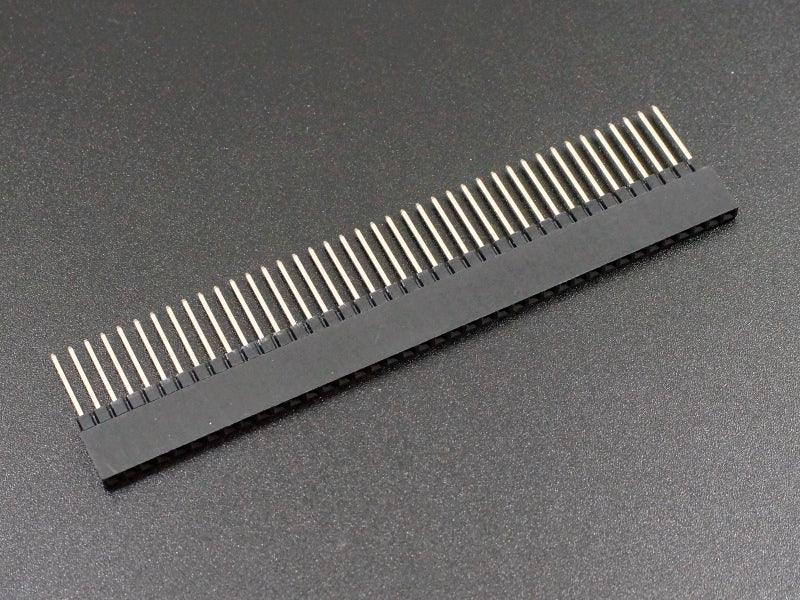
An extra tall stackable pin header in 1×40 break-away configuration — designed for stacking Arduino shields over tall components such as large capacitors, transformers, LCD displays, and heat sinks that would otherwise prevent standard-height shields from stacking. The extra tall body provides additional clearance between stacked PCBs. Snaps to any length from 1 to 40 pins.
Key Specifications
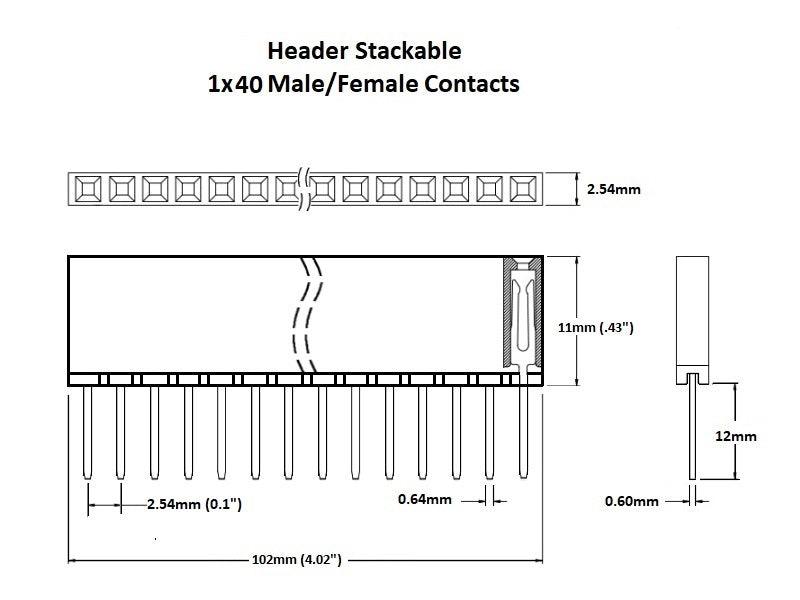
- Configuration: 1×40 (40-pin, single row, break-away) | Pitch: 2.54mm
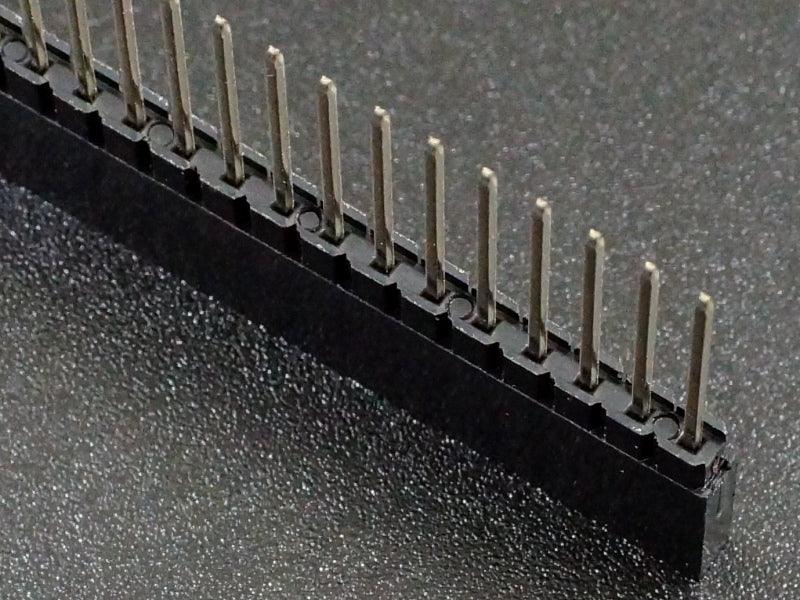
- Type: Extra tall stackable (female socket + extended male pins)
- Height: Extra tall (greater inter-board clearance than standard stackable)
- Contact: Tin-plated brass
- Current: 3A per pin | Voltage: 250V
- Compliance: RoHS compliant
Why Extra Tall?
- ✅ Clears tall components — stack shields over large capacitors, transformers and heat sinks
- ✅ Extra inter-board clearance — more space between stacked PCBs than standard stackable headers
- ✅ Break-away — any length from 1–40 pins from one strip
- ✅ Female socket on top — accepts the next shield or jumper wires for probing
Typical Applications
- Arduino shield stacking over tall components (capacitors, transformers)
- LCD display shield with extra clearance for display height
- Heat sink clearance for power shield stacking
- Custom PCB stacking requiring extra inter-board spacing

Blog posts
View all-

IC Chips & Discrete Components Express Shipping...
Shipping IC chips and discrete electronic components internationally requires more than choosing a carrier. ESD-safe packaging, correct HS codes, accurate customs declarations, and carrier selection for your destination all determine...
IC Chips & Discrete Components Express Shipping...
Shipping IC chips and discrete electronic components internationally requires more than choosing a carrier. ESD-safe packaging, correct HS codes, accurate customs declarations, and carrier selection for your destination all determine...
-

From Prototype to Mass Production — How to Scal...
Scaling from prototype to mass production is the most critical transition in a hardware product's lifecycle. The sourcing strategy that works for 10 prototype boards — cut tape, spot pricing,...
From Prototype to Mass Production — How to Scal...
Scaling from prototype to mass production is the most critical transition in a hardware product's lifecycle. The sourcing strategy that works for 10 prototype boards — cut tape, spot pricing,...
-

ISO 9001 Electronic Component Distributor — Wha...
ISO 9001:2015 certification is the most widely recognized quality management standard in the world — but what does it actually mean when an electronic component distributor claims to be ISO...
ISO 9001 Electronic Component Distributor — Wha...
ISO 9001:2015 certification is the most widely recognized quality management standard in the world — but what does it actually mean when an electronic component distributor claims to be ISO...


