



DIP IC Socket 28-Pin 0.3″ Narrow — Through-Hole, Tin-Plated
DIP IC Socket 28-Pin 0.3″ Narrow Through-Hole, Tin-Plated
Compatible JST cables for sensors and modules — secure & reliable. Shop now.

Couldn't load pickup availability
DIP IC Socket 28-Pin 0.3″ Narrow — Through-Hole, Tin-Plated
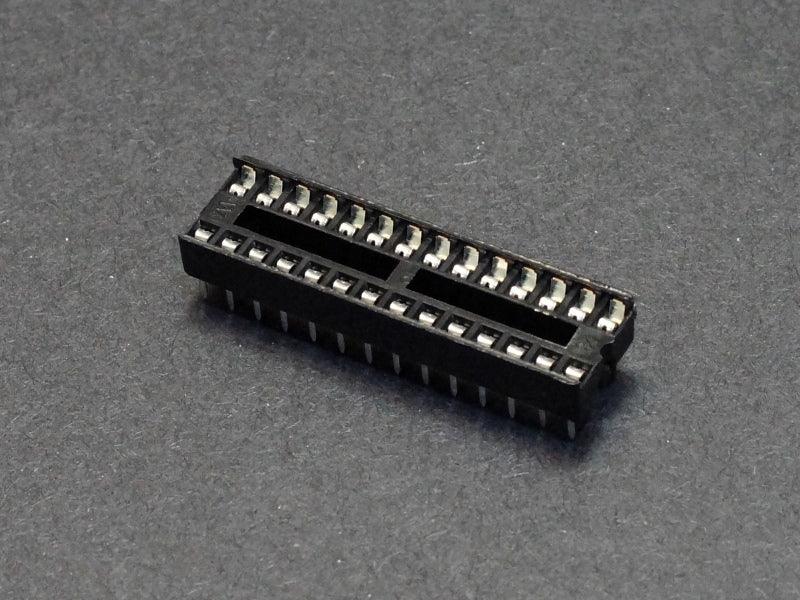
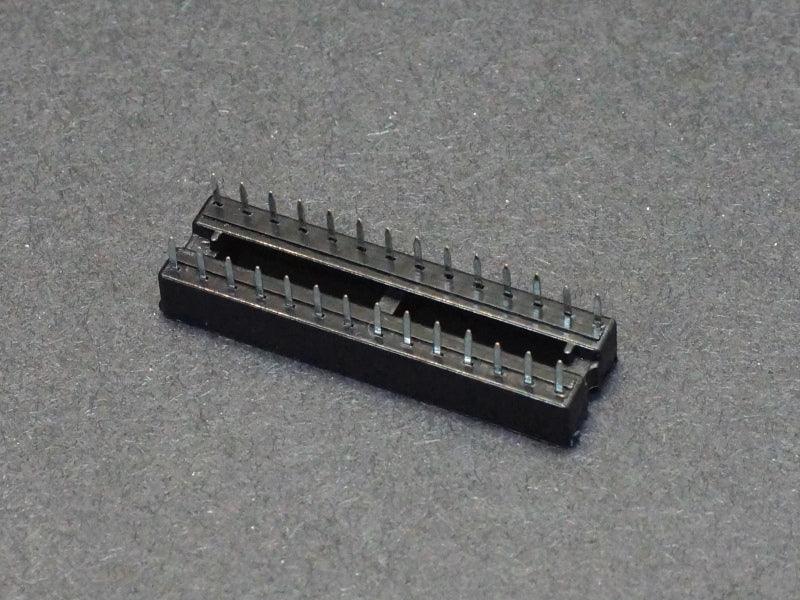
A 28-pin DIP IC socket in 0.3-inch narrow (600 mil) body width — through-hole, tin-plated contacts. Solder the socket to your PCB and insert the IC without soldering — allowing easy IC replacement, programming, and testing without desoldering. The 28-pin 0.3″ narrow socket is the standard socket for the Arduino ATmega328P (DIP-28), AT28C256 EEPROM, and many other 28-pin narrow DIP ICs.
Key Specifications
- Pins: 28 | Body width: 0.3 inches (narrow / 600 mil)
- Mounting: Through-hole PCB
- Contact: Tin-plated phosphor bronze
- Pin pitch: 2.54mm (0.1 inch)
- Compatible ICs: ATmega328P, AT28C256, MCP23017, and other 28-pin narrow DIP ICs
- Compliance: RoHS compliant
Why Use IC Sockets?
- ✅ No desoldering needed — replace or reprogram ICs by simply pulling them out
- ✅ Protects ICs from heat — solder the socket, not the IC
- ✅ Easy testing — swap ICs quickly during development
- ✅ Field replacement — replace failed ICs without PCB rework
0.3″ Narrow vs 0.6″ Wide
- 0.3″ narrow (this socket): For ATmega328P, AT28C256, and other narrow 28-pin ICs
- 0.6″ wide: For wider 28-pin ICs — check your IC datasheet for body width
Typical Applications
- Arduino ATmega328P DIP socket on custom PCBs
- AT28C256 EEPROM socket for easy programming
- 28-pin DIP IC socketing for prototyping
- Field-replaceable IC socket in production electronics

Blog posts
View all-

IC Chips & Discrete Components Express Shipping...
Shipping IC chips and discrete electronic components internationally requires more than choosing a carrier. ESD-safe packaging, correct HS codes, accurate customs declarations, and carrier selection for your destination all determine...
IC Chips & Discrete Components Express Shipping...
Shipping IC chips and discrete electronic components internationally requires more than choosing a carrier. ESD-safe packaging, correct HS codes, accurate customs declarations, and carrier selection for your destination all determine...
-

From Prototype to Mass Production — How to Scal...
Scaling from prototype to mass production is the most critical transition in a hardware product's lifecycle. The sourcing strategy that works for 10 prototype boards — cut tape, spot pricing,...
From Prototype to Mass Production — How to Scal...
Scaling from prototype to mass production is the most critical transition in a hardware product's lifecycle. The sourcing strategy that works for 10 prototype boards — cut tape, spot pricing,...
-

ISO 9001 Electronic Component Distributor — Wha...
ISO 9001:2015 certification is the most widely recognized quality management standard in the world — but what does it actually mean when an electronic component distributor claims to be ISO...
ISO 9001 Electronic Component Distributor — Wha...
ISO 9001:2015 certification is the most widely recognized quality management standard in the world — but what does it actually mean when an electronic component distributor claims to be ISO...


