



Arduino Due R3 Compatible Board — ARM Cortex-M3, 84MHz
Arduino Due R3 Compatible Board ARM Cortex-M3, 84MHz
Compatible JST cables for sensors and modules — secure & reliable. Shop now.

Couldn't load pickup availability
Arduino Due R3 Compatible Board — ARM Cortex-M3, 84MHz
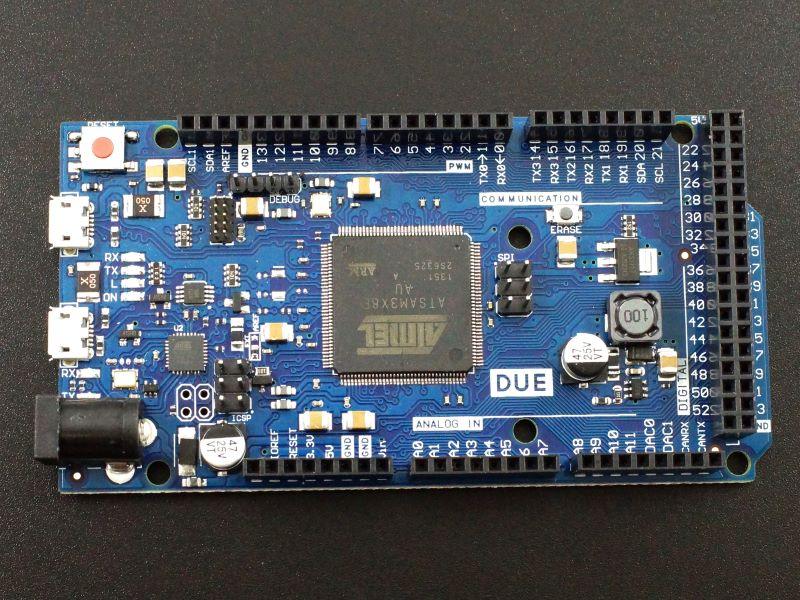
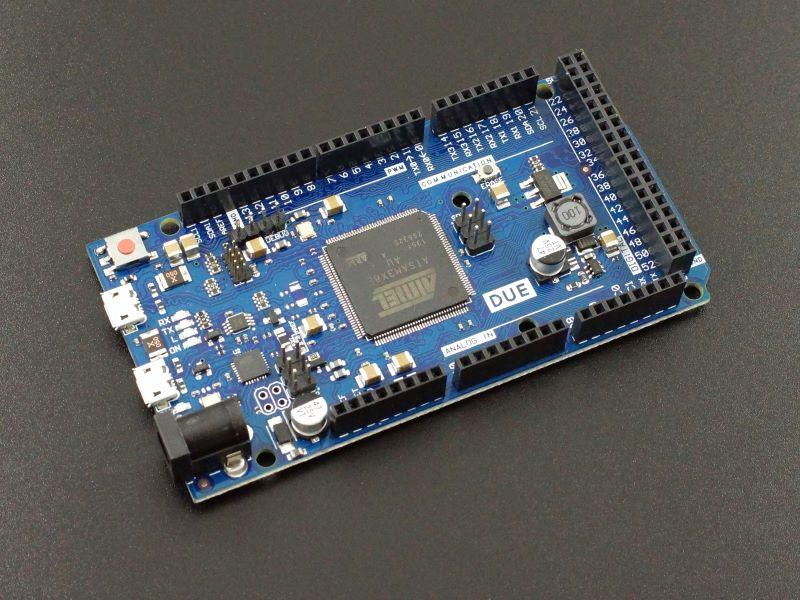
The Arduino Due R3 compatible board is powered by the Atmel SAM3X8E ARM Cortex-M3 processor running at 84MHz — the most powerful board in the classic Arduino lineup. With 54 digital I/O pins, 12 PWM outputs, 12-bit DAC, and 512KB flash, it is ideal for demanding applications requiring high processing speed, large memory, and advanced peripherals. Fully compatible with the Arduino IDE.
Key Specifications
- MCU: Atmel SAM3X8E ARM Cortex-M3 | Clock: 84MHz
- Flash: 512KB | SRAM: 96KB | Operating voltage: 3.3V
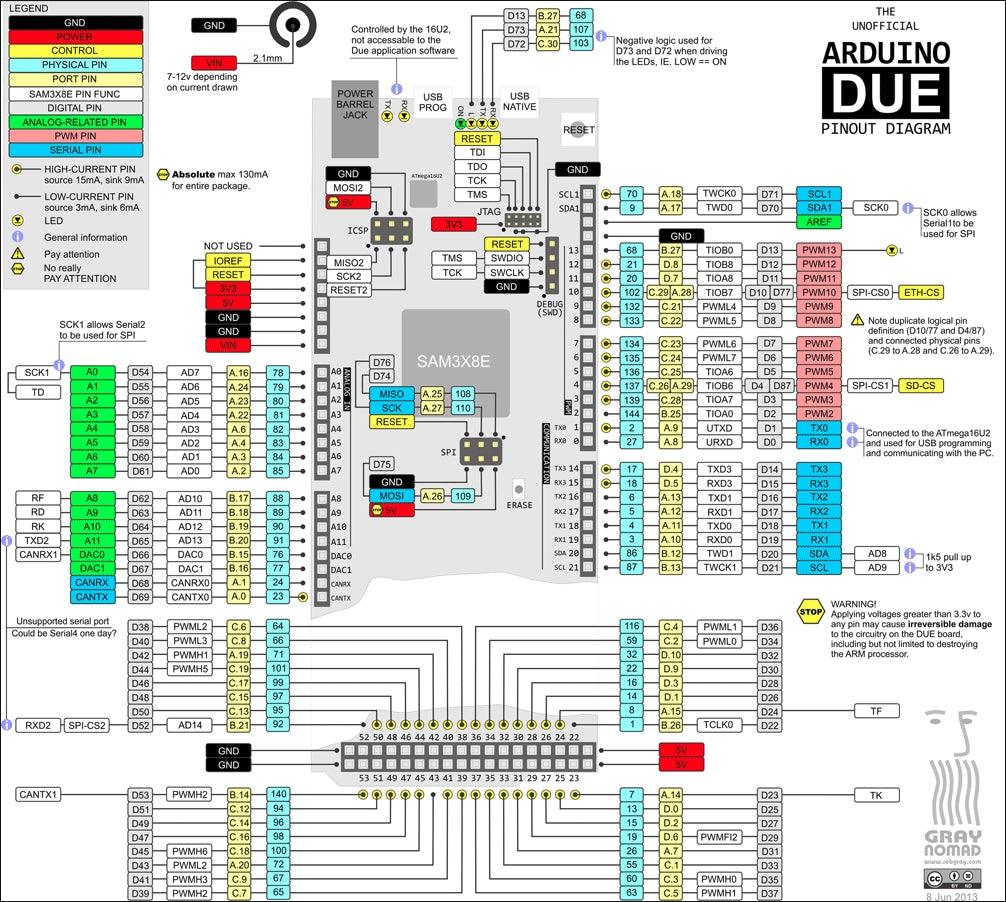
- Digital I/O: 54 pins | PWM: 12 channels | Analog in: 12 (12-bit)
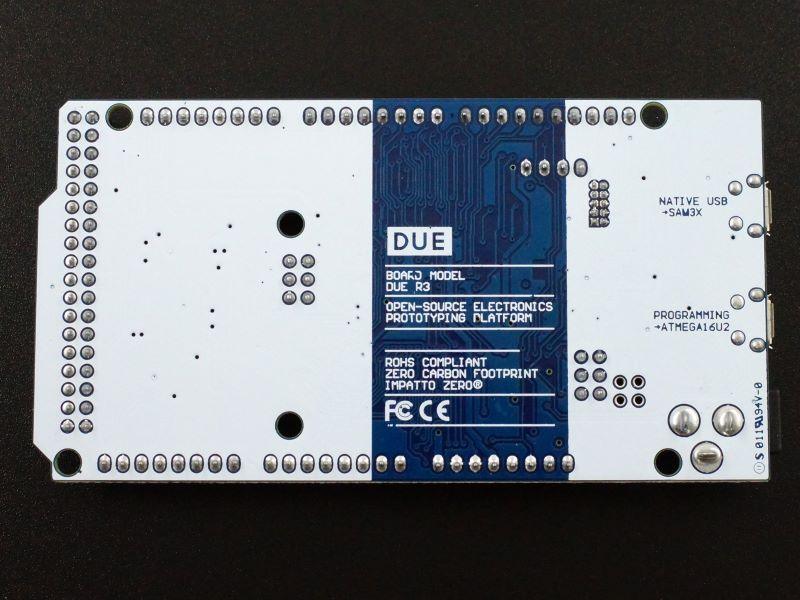
- DAC: 2 channels (12-bit) | USB: Native USB + Programming USB
- Interfaces: 4× UART / SPI / I2C / CAN
- Form factor: Arduino Mega footprint compatible
- Compliance: RoHS compliant
Why Choose This?
- ✅ 84MHz ARM Cortex-M3 — 10× faster than Arduino Uno for demanding signal processing tasks
- ✅ 12-bit DAC — true analog output for audio and precision control applications
- ✅ Native USB — act as USB host or device without additional hardware
- ✅ Arduino IDE compatible — use existing Arduino libraries and sketches
Typical Applications
- Audio processing and synthesis projects
- High-speed data acquisition and signal processing
- CNC machine and robot motion control
- USB HID and host device projects

Blog posts
View all-

IC Chips & Discrete Components Express Shipping...
Shipping IC chips and discrete electronic components internationally requires more than choosing a carrier. ESD-safe packaging, correct HS codes, accurate customs declarations, and carrier selection for your destination all determine...
IC Chips & Discrete Components Express Shipping...
Shipping IC chips and discrete electronic components internationally requires more than choosing a carrier. ESD-safe packaging, correct HS codes, accurate customs declarations, and carrier selection for your destination all determine...
-

From Prototype to Mass Production — How to Scal...
Scaling from prototype to mass production is the most critical transition in a hardware product's lifecycle. The sourcing strategy that works for 10 prototype boards — cut tape, spot pricing,...
From Prototype to Mass Production — How to Scal...
Scaling from prototype to mass production is the most critical transition in a hardware product's lifecycle. The sourcing strategy that works for 10 prototype boards — cut tape, spot pricing,...
-

ISO 9001 Electronic Component Distributor — Wha...
ISO 9001:2015 certification is the most widely recognized quality management standard in the world — but what does it actually mean when an electronic component distributor claims to be ISO...
ISO 9001 Electronic Component Distributor — Wha...
ISO 9001:2015 certification is the most widely recognized quality management standard in the world — but what does it actually mean when an electronic component distributor claims to be ISO...


