



Silicone Wire 14AWG Ultra Flexible 2-Conductor — Parallel Twin Lead
Silicone Wire 14AWG Ultra Flexible 2-Conductor Parallel Twin Lead
Compatible JST cables for sensors and modules — secure & reliable. Shop now.

Couldn't load pickup availability
Silicone Wire 14AWG Ultra Flexible 2-Conductor — Parallel Twin Lead
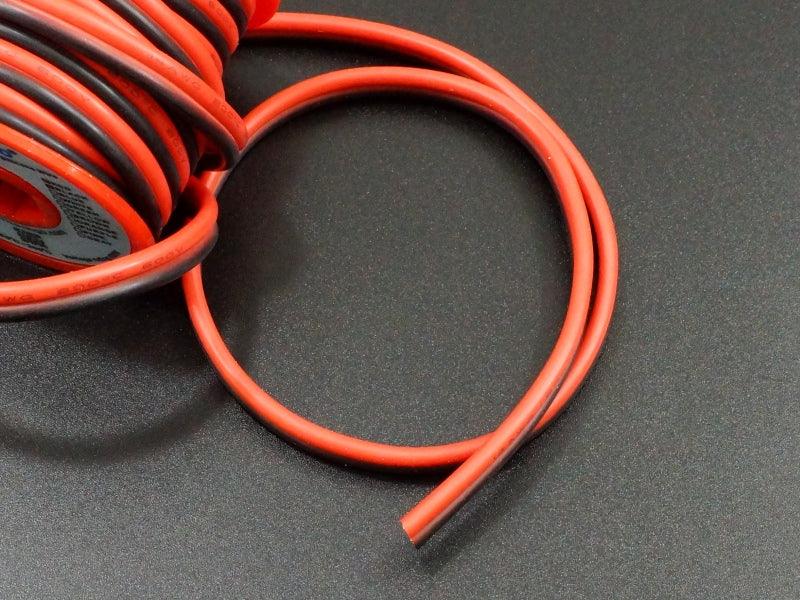
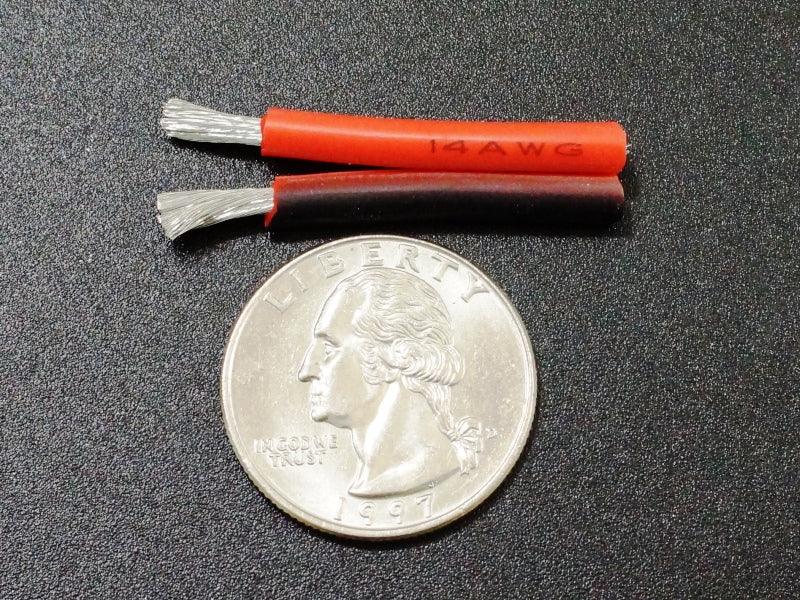
14AWG ultra-flexible silicone wire in a 2-conductor parallel twin lead configuration — positive and negative conductors bonded together for neat, tangle-free DC power wiring. Rated for 200°C and 680V with tinned copper conductors. Ideal for DC power distribution where both conductors need to run together.
Key Specifications
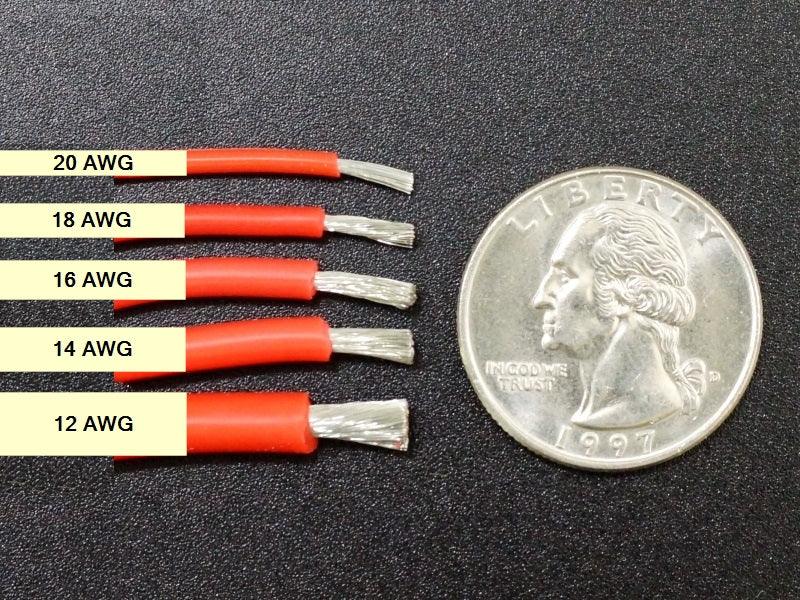
- Gauge: 14AWG ×2 | Conductor: Tinned copper (stranded)
- Insulation: Silicone rubber | Temperature: −60°C to +200°C
- Voltage rating: 680V | Current capacity: ~30A per conductor
- Configuration: 2-conductor parallel twin lead
- Compliance: RoHS compliant
Typical Applications
- DC power distribution wiring (+ and − together)
- RC LiPo battery and ESC power leads
- Motor and actuator power wiring
- High-current DC power harness

Blog posts
View all-

Best JST Connector Crimping Tools in 2026: Engi...
Choosing the wrong crimping tool ruins JST connectors and wastes wire. This guide compares the top crimping tools for JST SH, GH, PH, XH, and VH series — including Engineer...
Best JST Connector Crimping Tools in 2026: Engi...
Choosing the wrong crimping tool ruins JST connectors and wastes wire. This guide compares the top crimping tools for JST SH, GH, PH, XH, and VH series — including Engineer...
-

Molex KK 254 vs Mini-Fit Jr. vs Micro-Fit 3.0: ...
Choosing between Molex KK 254, Mini-Fit Jr., and Micro-Fit 3.0? This guide compares pitch, current rating, locking mechanism, wire gauge, and typical applications — with decision tables, part number references,...
Molex KK 254 vs Mini-Fit Jr. vs Micro-Fit 3.0: ...
Choosing between Molex KK 254, Mini-Fit Jr., and Micro-Fit 3.0? This guide compares pitch, current rating, locking mechanism, wire gauge, and typical applications — with decision tables, part number references,...
-

DuPont Connector vs JST PH 2.0: Pinout, Specs &...
Not sure whether to use a DuPont 2.54mm or JST PH 2.0mm connector? This guide compares pitch, locking mechanism, current rating, pinout, and best use cases — so you can...
DuPont Connector vs JST PH 2.0: Pinout, Specs &...
Not sure whether to use a DuPont 2.54mm or JST PH 2.0mm connector? This guide compares pitch, locking mechanism, current rating, pinout, and best use cases — so you can...


