

Keszoox
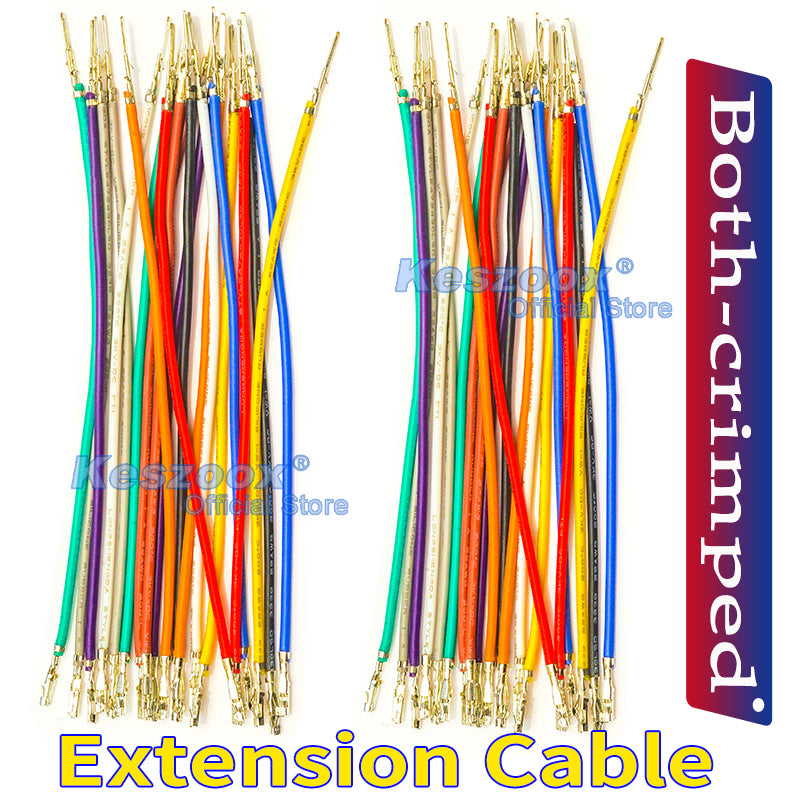
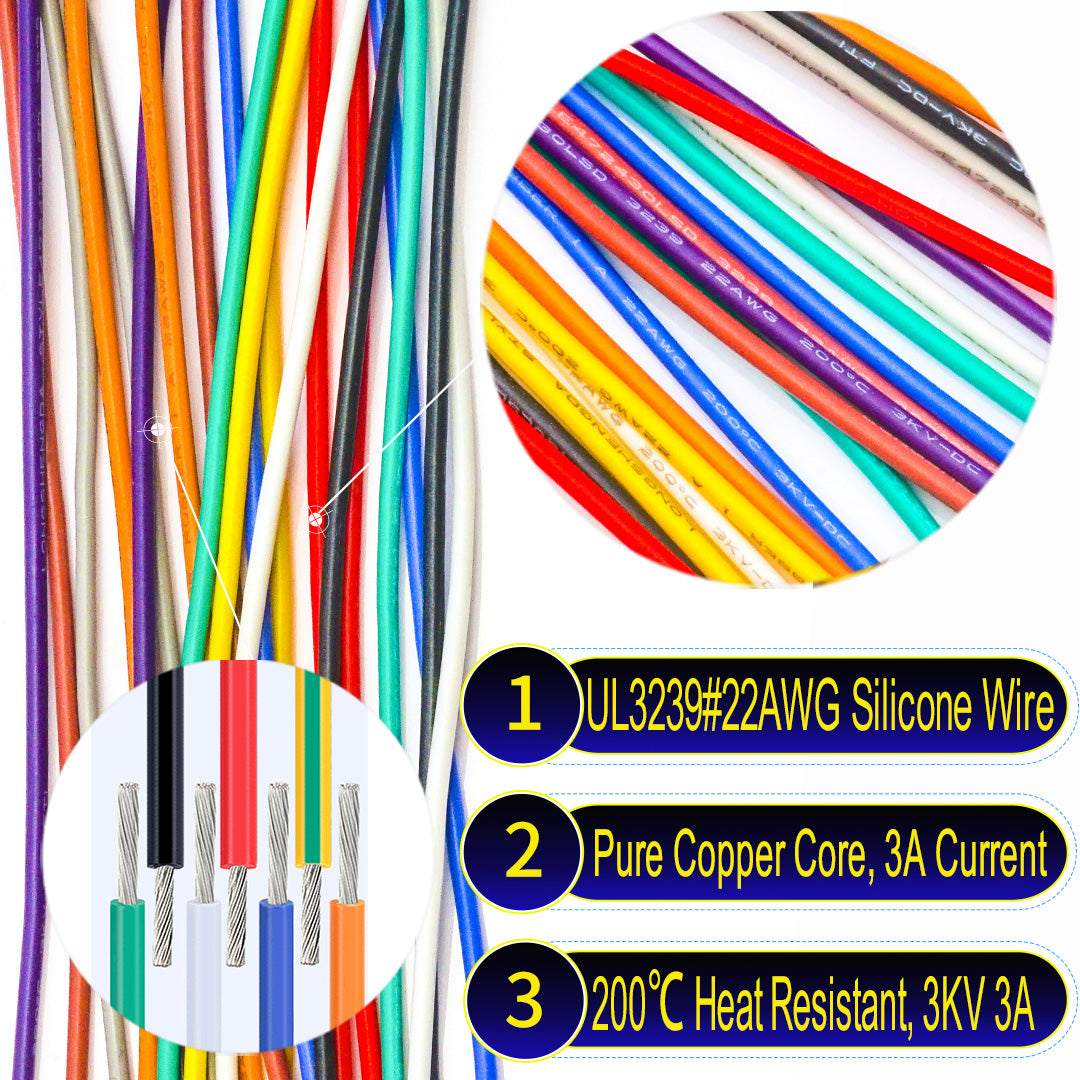
JST SYP 2.5mm Pre-Crimped Terminal Silicone Cable (Without Connector), 22AWG UL3239 Soft Wire 200℃ Heat Resistant 3KV 3A
JST SYP 2.5mm Pre-Crimped Terminal Silicone Cable (Without Connector), 22AWG UL3239 Soft Wire 200℃ Heat Resistant 3KV 3A

Couldn't load pickup availability
JST SYP 2.5mm Pre-Crimped Terminal Silicone Cable (Without Connector) — 22AWG UL3239 Silicone, 200°C / 3KV
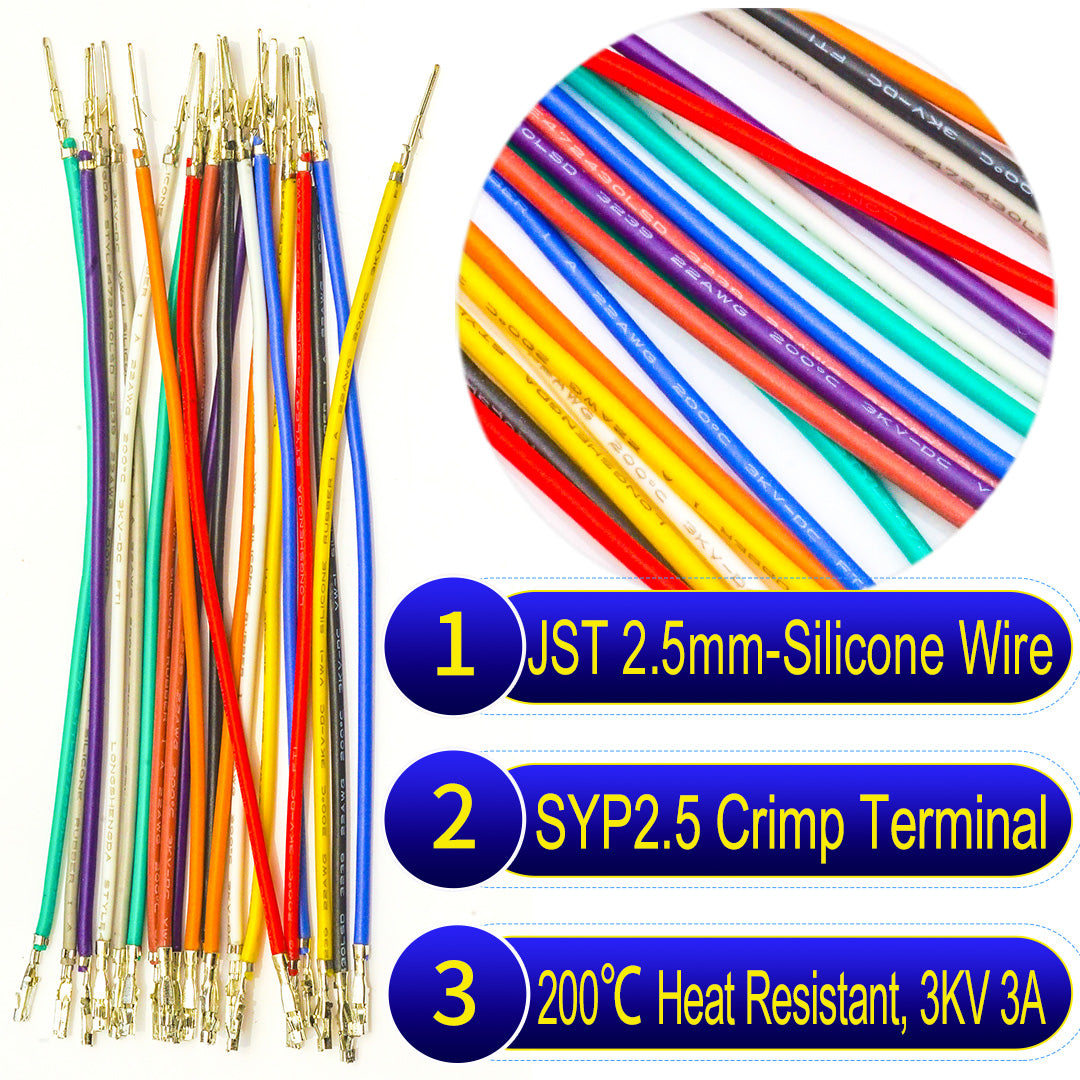
Pre-crimped wire leads with a JST SYP (RCY) crimp terminal on one end and a bare tinned lead on the other — ready to insert directly into a SYR-02T or SYP-02T-1 housing without additional crimping. Silicone insulation (UL3239) rated for 200°C and 3KV — significantly higher than standard PVC (UL1007, 80°C / 300V). Available in 10 wire colors and 10 lengths from 10cm to 100cm.
JST SYP = JST RCY. SYP is the market name; RCY is the official JST series designation. Terminals are compatible with all SYR-02T and SYP-02T-1 housings.
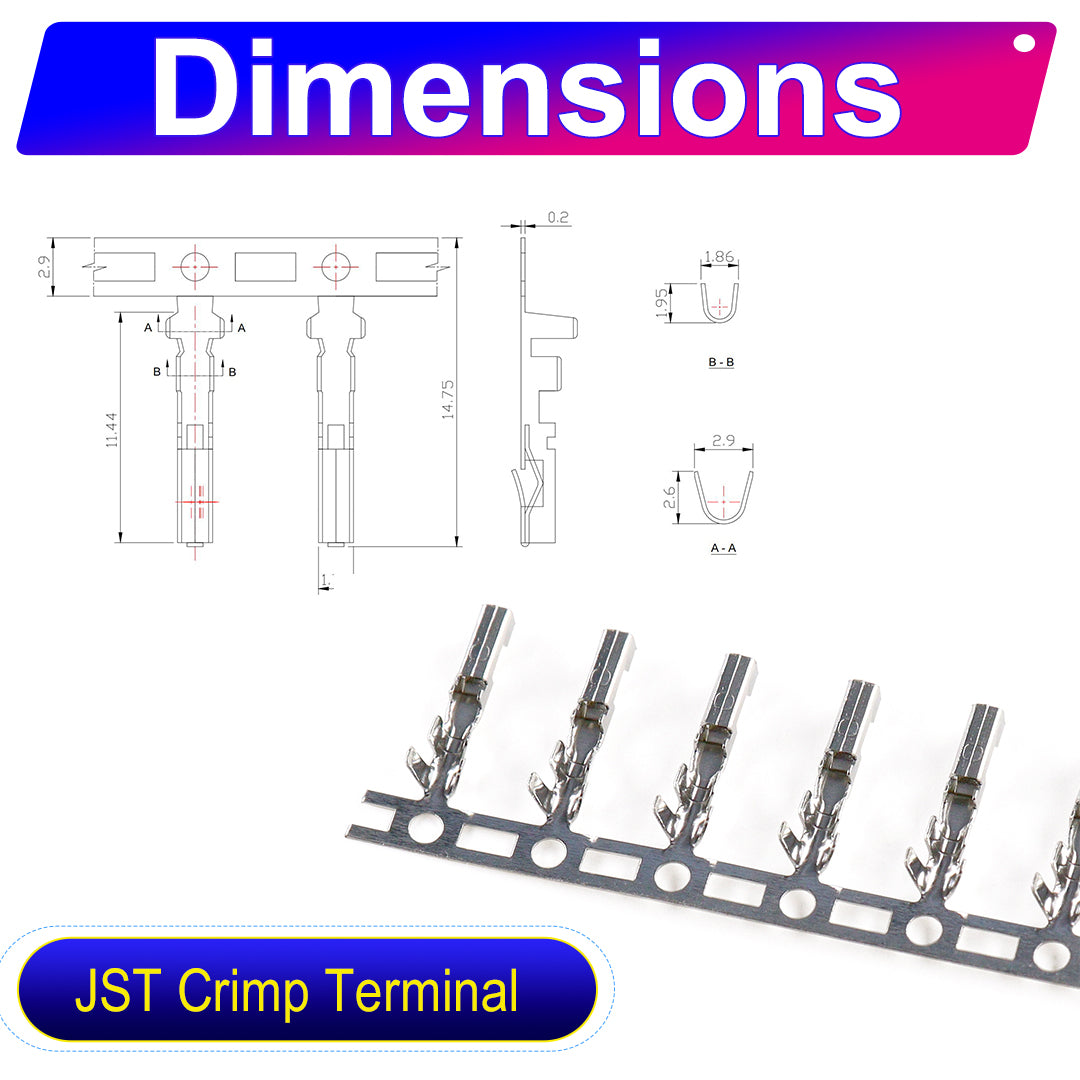
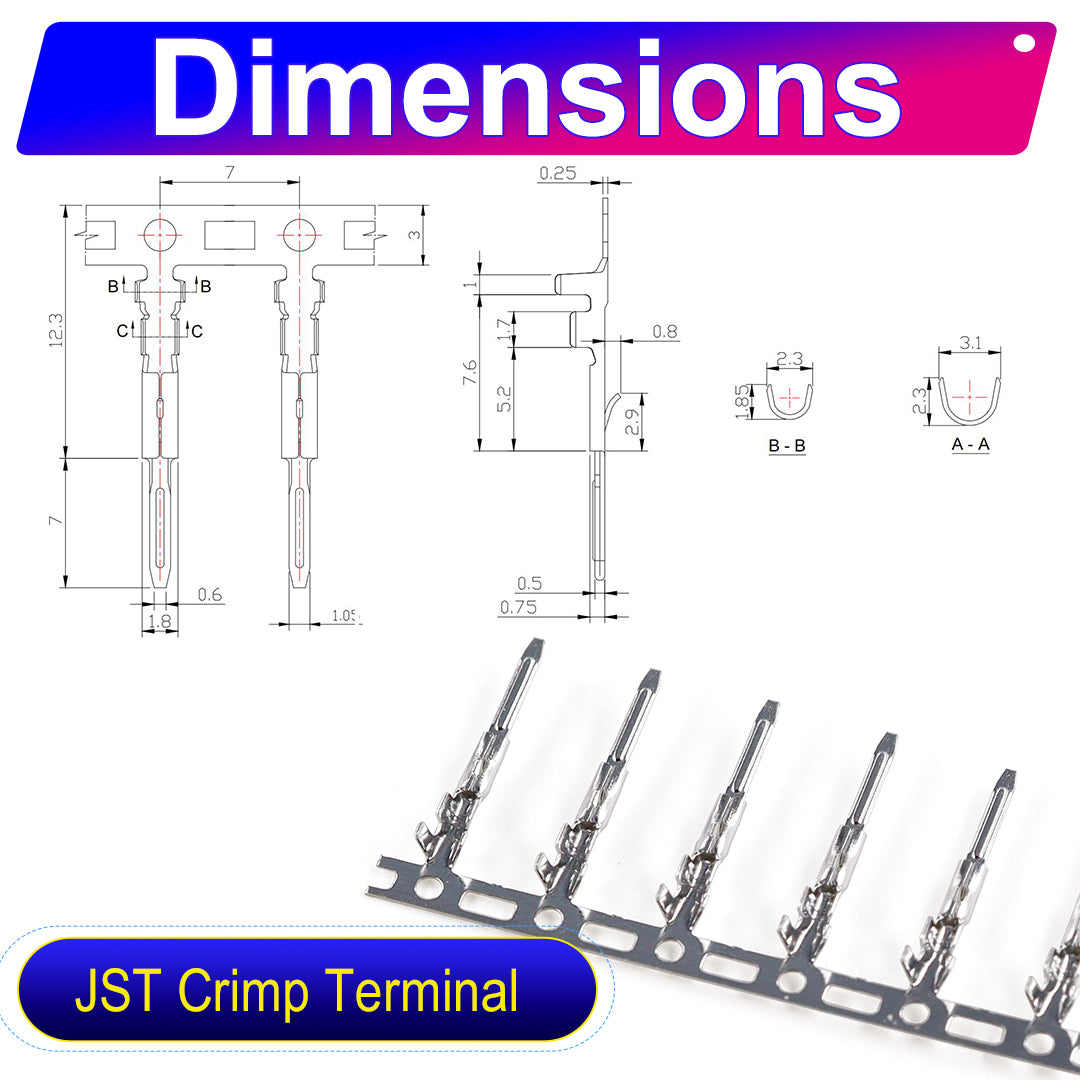
- Terminal: SYM-001T-P0.6 (pin, for SYR receptacle) or SYF-001T-P0.6 (free spring socket, for SYP plug) — pre-crimped to wire
- Wire: 22AWG UL3239 silicone, 200°C / 3KV, ultra-flexible, tinned copper conductor
- Colors: Red, Black, Yellow, White, Blue, Green, Orange, Purple, Brown, Grey
- Pitch: 2.5mm | Circuits: 2-pin system
- Rating: 3A / 250V AC/DC | −25°C to +85°C (connector) | wire rated to 200°C
- Compliance: UL3239 wire, RoHS2
- Available lengths: 10cm, 15cm, 20cm, 25cm, 30cm, 35cm, 40cm, 50cm, 80cm, 100cm
Silicone vs PVC — when to choose silicone:
- High-temperature environments — silicone rated 200°C vs PVC 80°C; use near motors, ESCs, or heat-generating components
- High-flex applications — silicone insulation is significantly more flexible than PVC and resists cracking under repeated bending
- RC motor and ESC wiring — standard choice for RC applications where wire routing passes near hot components
- High-voltage isolation — 3KV dielectric strength vs 300V for UL1007 PVC
Note: The connector housing (SYR-02T / SYP-02T-1) is rated to +85°C regardless of wire rating. The 200°C wire rating applies to the wire insulation only — do not expose the connector housing to temperatures above +85°C. Maximum continuous current through the connector is 3A.

Blog posts
View all-

IC Chips & Discrete Components Express Shipping...
Shipping IC chips and discrete electronic components internationally requires more than choosing a carrier. ESD-safe packaging, correct HS codes, accurate customs declarations, and carrier selection for your destination all determine...
IC Chips & Discrete Components Express Shipping...
Shipping IC chips and discrete electronic components internationally requires more than choosing a carrier. ESD-safe packaging, correct HS codes, accurate customs declarations, and carrier selection for your destination all determine...
-

From Prototype to Mass Production — How to Scal...
Scaling from prototype to mass production is the most critical transition in a hardware product's lifecycle. The sourcing strategy that works for 10 prototype boards — cut tape, spot pricing,...
From Prototype to Mass Production — How to Scal...
Scaling from prototype to mass production is the most critical transition in a hardware product's lifecycle. The sourcing strategy that works for 10 prototype boards — cut tape, spot pricing,...
-

ISO 9001 Electronic Component Distributor — Wha...
ISO 9001:2015 certification is the most widely recognized quality management standard in the world — but what does it actually mean when an electronic component distributor claims to be ISO...
ISO 9001 Electronic Component Distributor — Wha...
ISO 9001:2015 certification is the most widely recognized quality management standard in the world — but what does it actually mean when an electronic component distributor claims to be ISO...


