



Polyimide (Kapton) Tape 10mm × 33yds — High-Temperature Masking for PCB & Soldering
Polyimide (Kapton) Tape 10mm × 33yds High-Temperature Masking for PCB & Soldering
Compatible JST cables for sensors and modules — secure & reliable. Shop now.

Couldn't load pickup availability
Polyimide (Kapton) Tape — 10mm × 33yds, High-Temperature PCB Masking
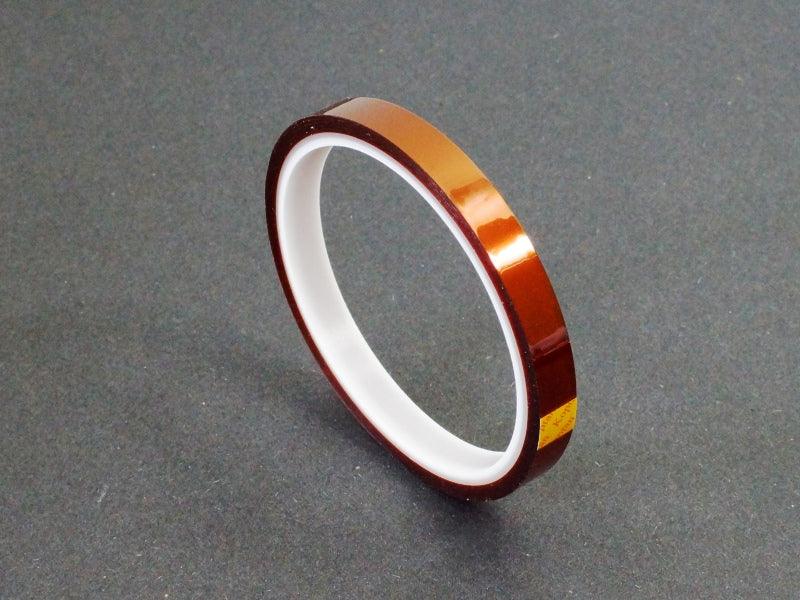
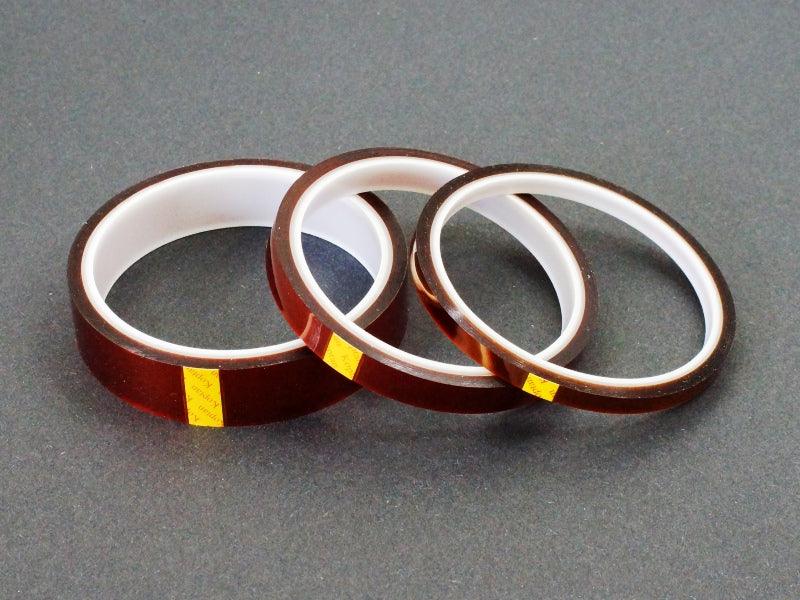
Polyimide tape, commonly known as Kapton tape, is the essential high-temperature masking and insulation tape for electronics manufacturing, PCB assembly, and 3D printing. Rated to 260°C (500°F), it withstands reflow soldering, wave soldering, and hot air rework without lifting, burning, or leaving adhesive residue.
The 10mm width is the most versatile size — ideal for masking individual PCB pads, connector footprints, and component leads during selective soldering.
Key Features
- 260°C (500°F) temperature rating — withstands reflow soldering, wave soldering, and hot air rework
- 10mm width — the most versatile size for PCB pad masking and component lead insulation
- 33 yards (30m) per roll — generous length for production and prototyping use
- Silicone adhesive — clean removal without adhesive residue on PCB pads or components
- Transparent amber color — see through the tape to verify component placement and pad coverage
- Excellent electrical insulation — dielectric strength suitable for PCB and battery insulation
- Chemical resistance — resistant to solvents, flux, and cleaning agents
- RoHS compliant
Typical Applications
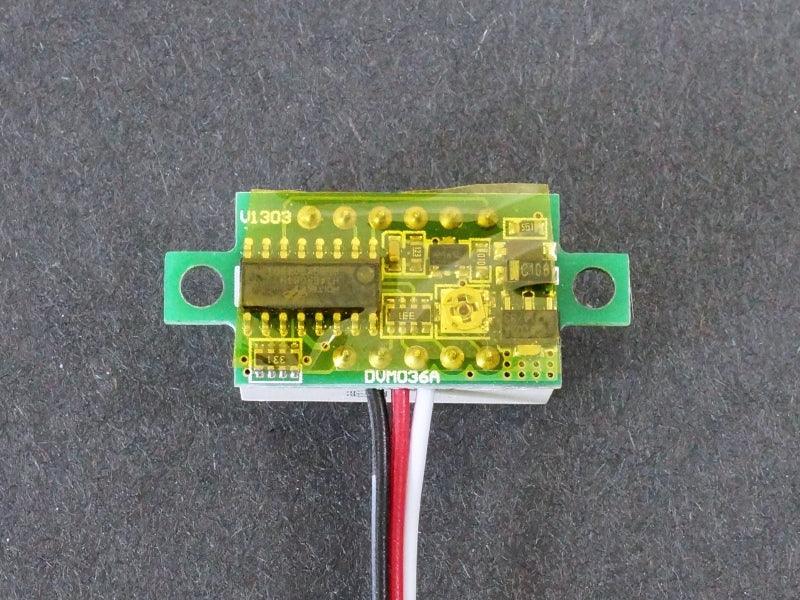
- PCB pad and connector masking during wave soldering
- SMD component masking during selective soldering
- 3D printer heated bed surface adhesion
- Battery cell insulation and wrapping
- Wire and cable insulation
- High-temperature electrical insulation
Technical Specifications
- Width: 10mm
- Length: 33 yards (approx. 30m)
- Material: Polyimide (Kapton) film
- Adhesive: Silicone
- Temperature Rating: −69°C to +260°C
- Color: Transparent amber
- RoHS Compliant: Yes
- Brand: Keszoox
- Origin: Mainland China

Blog posts
View all-

Best JST Connector Crimping Tools in 2026: Engi...
Choosing the wrong crimping tool ruins JST connectors and wastes wire. This guide compares the top crimping tools for JST SH, GH, PH, XH, and VH series — including Engineer...
Best JST Connector Crimping Tools in 2026: Engi...
Choosing the wrong crimping tool ruins JST connectors and wastes wire. This guide compares the top crimping tools for JST SH, GH, PH, XH, and VH series — including Engineer...
-

Molex KK 254 vs Mini-Fit Jr. vs Micro-Fit 3.0: ...
Choosing between Molex KK 254, Mini-Fit Jr., and Micro-Fit 3.0? This guide compares pitch, current rating, locking mechanism, wire gauge, and typical applications — with decision tables, part number references,...
Molex KK 254 vs Mini-Fit Jr. vs Micro-Fit 3.0: ...
Choosing between Molex KK 254, Mini-Fit Jr., and Micro-Fit 3.0? This guide compares pitch, current rating, locking mechanism, wire gauge, and typical applications — with decision tables, part number references,...
-

DuPont Connector vs JST PH 2.0: Pinout, Specs &...
Not sure whether to use a DuPont 2.54mm or JST PH 2.0mm connector? This guide compares pitch, locking mechanism, current rating, pinout, and best use cases — so you can...
DuPont Connector vs JST PH 2.0: Pinout, Specs &...
Not sure whether to use a DuPont 2.54mm or JST PH 2.0mm connector? This guide compares pitch, locking mechanism, current rating, pinout, and best use cases — so you can...


