


Breakout Boards: Complete Guide to What They Are & How to Use Them
If you've been tinkering with Arduino for a while, you've likely come across the term breakout board. They're extremely common in electronics prototyping — but what exactly are they, and why should you use one? This guide covers everything you need to know.
What Is a Breakout Board?
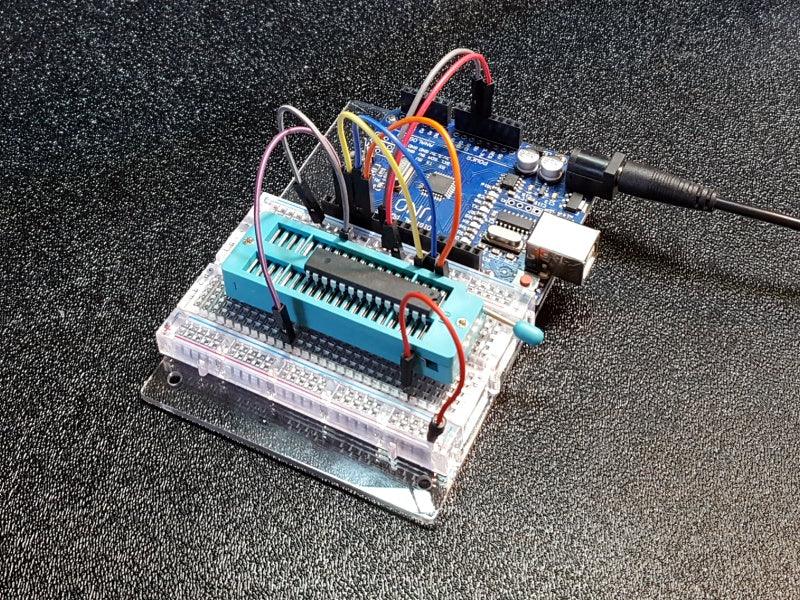
Electrical components like sensors and chips (ICs) have tiny pins used for power, ground, inputs, and outputs. A breakout board "breaks out" these pins onto a separate, larger circuit board — hence the name. This makes the component much easier to work with, especially on a solderless breadboard.
There's a breakout board for almost everything: temperature, pressure, acceleration, humidity, distance, and more. They work with Arduino, Raspberry Pi, Adafruit Feather, and virtually any microcontroller platform.
Why Use a Breakout Board?
1. Labeled Pins
Breakout boards have clearly labeled pin names printed on the PCB, making connections as straightforward as possible.
2. Less Space Required
Breakout boards use SMD (surface-mounted device) versions of ICs — tiny components whose pins are too small to fit directly on a breadboard. By mounting them on a breakout board, you get a compact, breadboard-compatible footprint.
3. Reusability
The pins on breakout boards are sturdy and built for repeated use, making them ideal for prototyping. Browse our Breakout Modules collection for a wide selection.
4. DIP Components Are Becoming Rare
As electronics get smaller, manufacturers are moving away from DIP packages. Breakout boards are the practical alternative.
Breakout Board vs Arduino Shield: What's the Difference?
| Feature | Breakout Board | Arduino Shield |
|---|---|---|
| Size | Small, compact | Same size as Arduino |
| Connection | Wires to pins | Stacks on top of Arduino |
| Compatibility | Any microcontroller | Arduino-specific |
| Best for | Prototyping & flexibility | Finished projects |
| Price | Usually lower | Usually higher |
| Wiring | Manual wiring required | Plug and play |
Things to Watch Out For
Not All Breakout Boards Are Interchangeable
A cheaper alternative might look identical but use a different IC with a different pinout. Code written for one IC won't work properly with another. Always verify the IC model before substituting.
Soldering May Be Required
Some breakout boards come fully assembled. Others require you to solder header pins yourself. Check our Breadboards & Supplies for soldering tools and accessories.
Use the Correct Supply Voltage
Arduino provides both 3.3V and 5V pins. Many breakout boards operate at 3.3V. Always check the board's specifications before connecting power.
Check for Good Documentation
Good documentation saves hours of frustration. Before buying, look for setup guides, example code, and an active community.
Related Guides
- 📌 Arduino Complete Guide: What It Is, How It Works & Getting Started
- 📌 Arduino Shield Complete Guide: What It Is, Types & How to Choose
- 📌 Active vs Passive Components: Key Differences Explained
Frequently Asked Questions
Can I use a breakout board with Raspberry Pi?
Yes! Unlike Arduino shields, breakout boards work with any microcontroller — Arduino, Raspberry Pi, ESP32, Teensy, and more.
Do breakout boards need soldering?
It depends on the board. Many come pre-soldered with headers. Others require you to solder pins yourself. Always check the product listing before purchasing.
Where can I buy breakout boards?
Browse our full Breakout Modules collection for sensors, communication modules, display drivers, and more.