

Keszoox
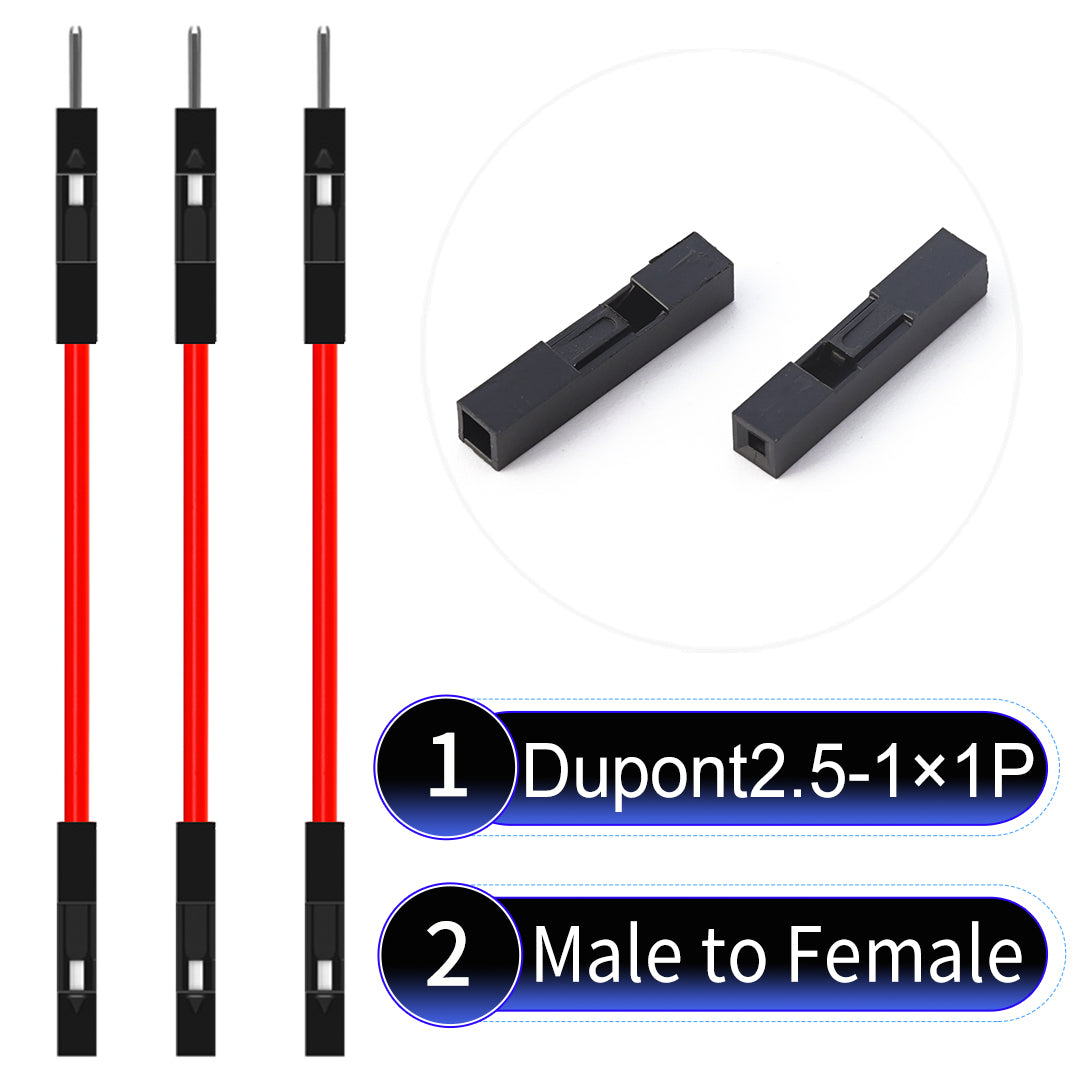
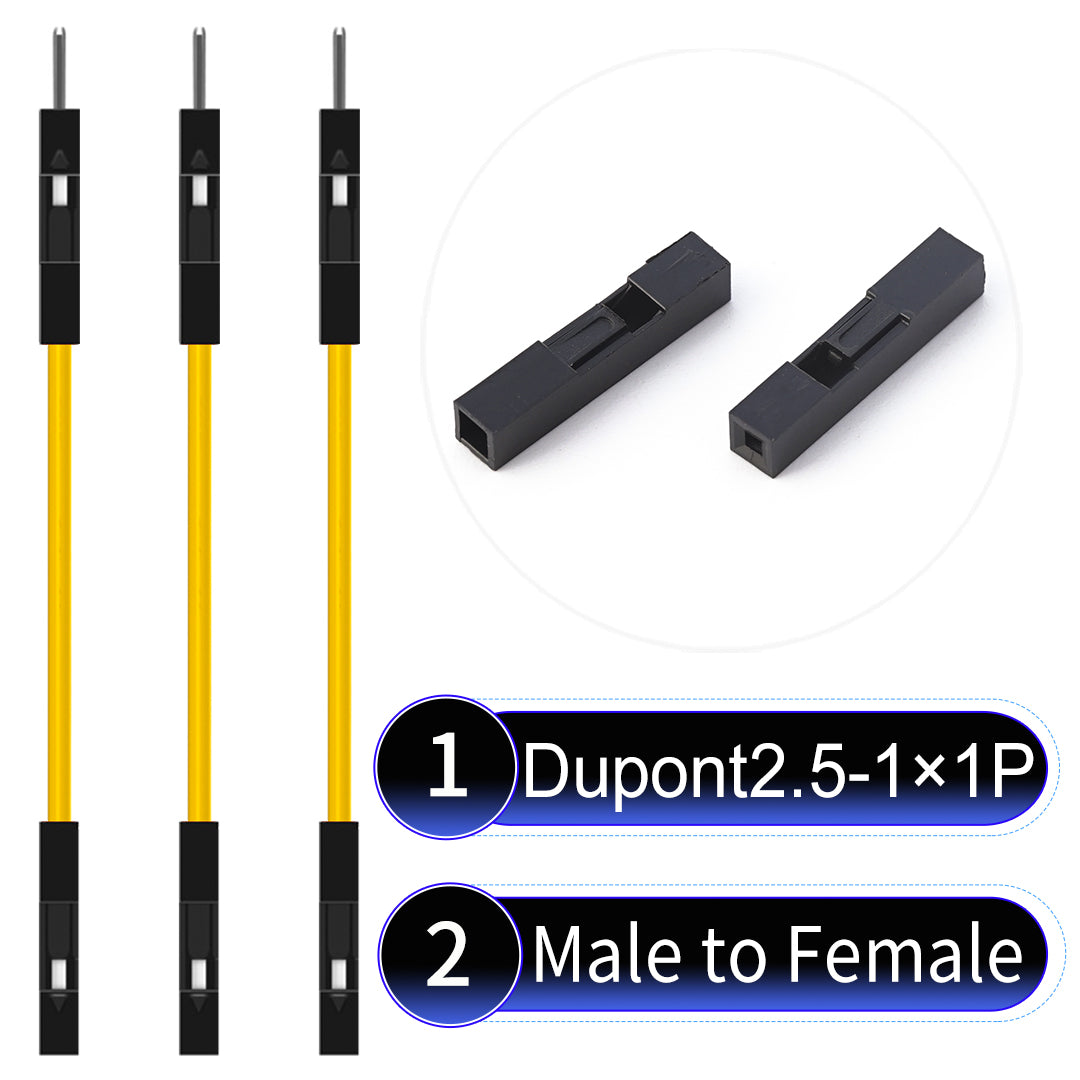
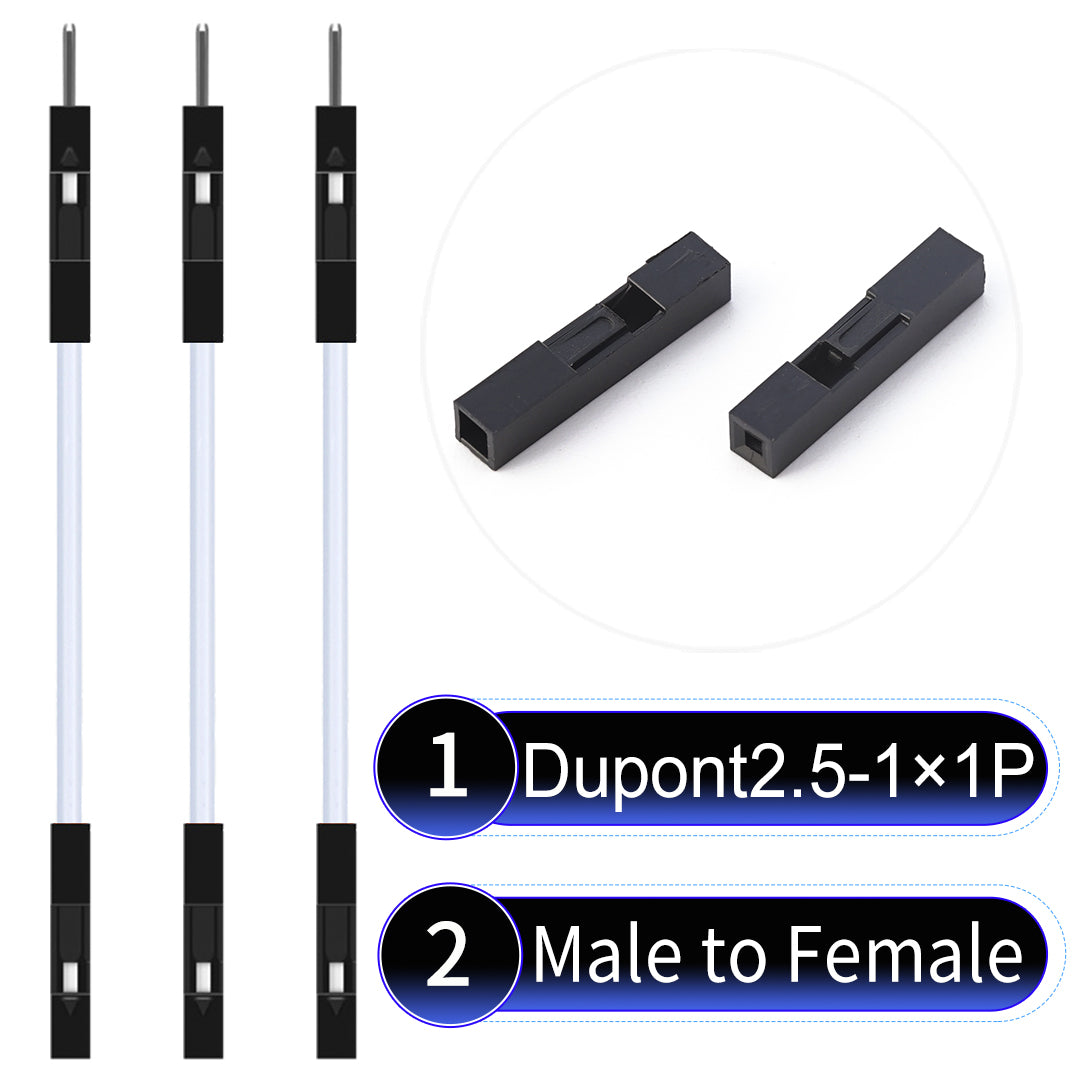
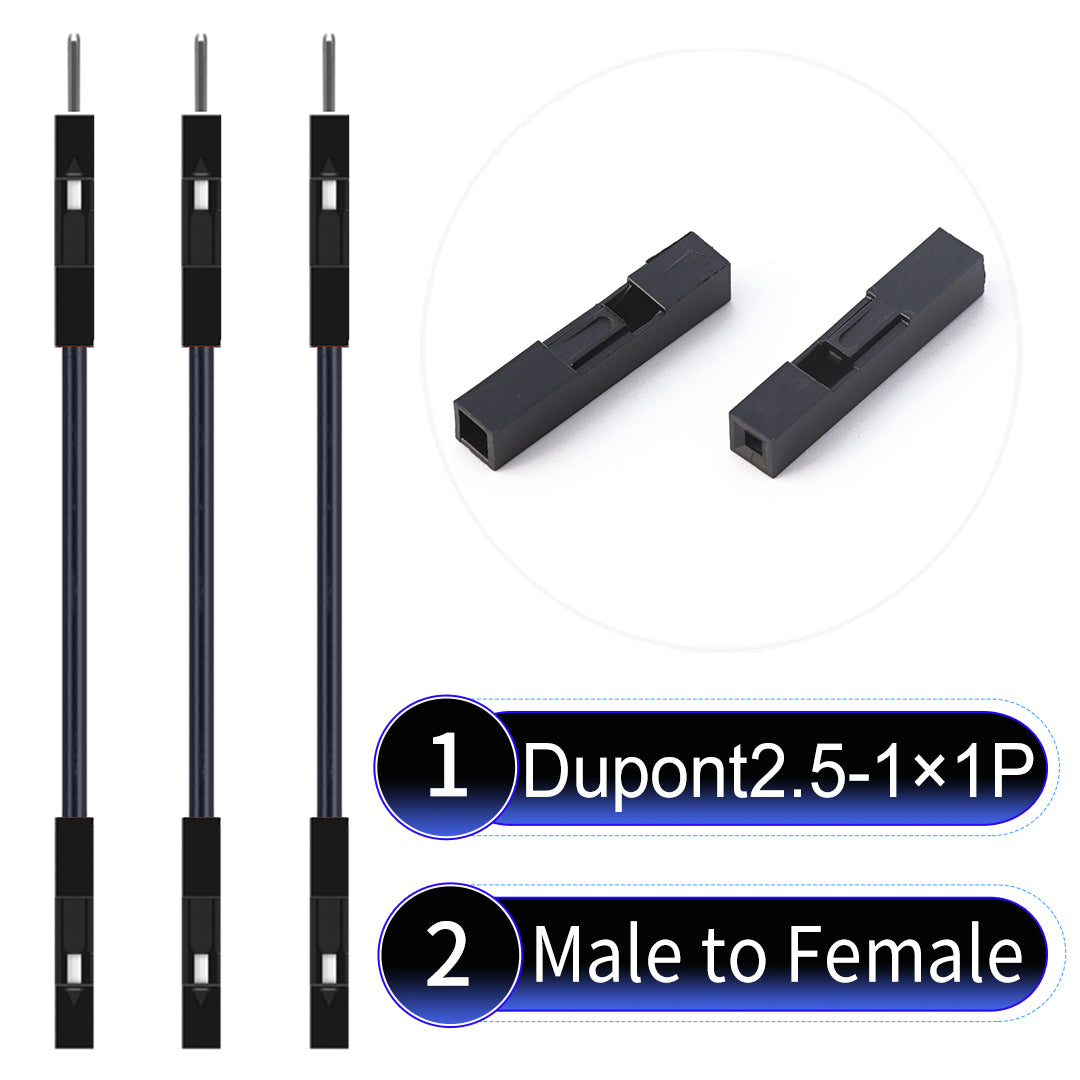
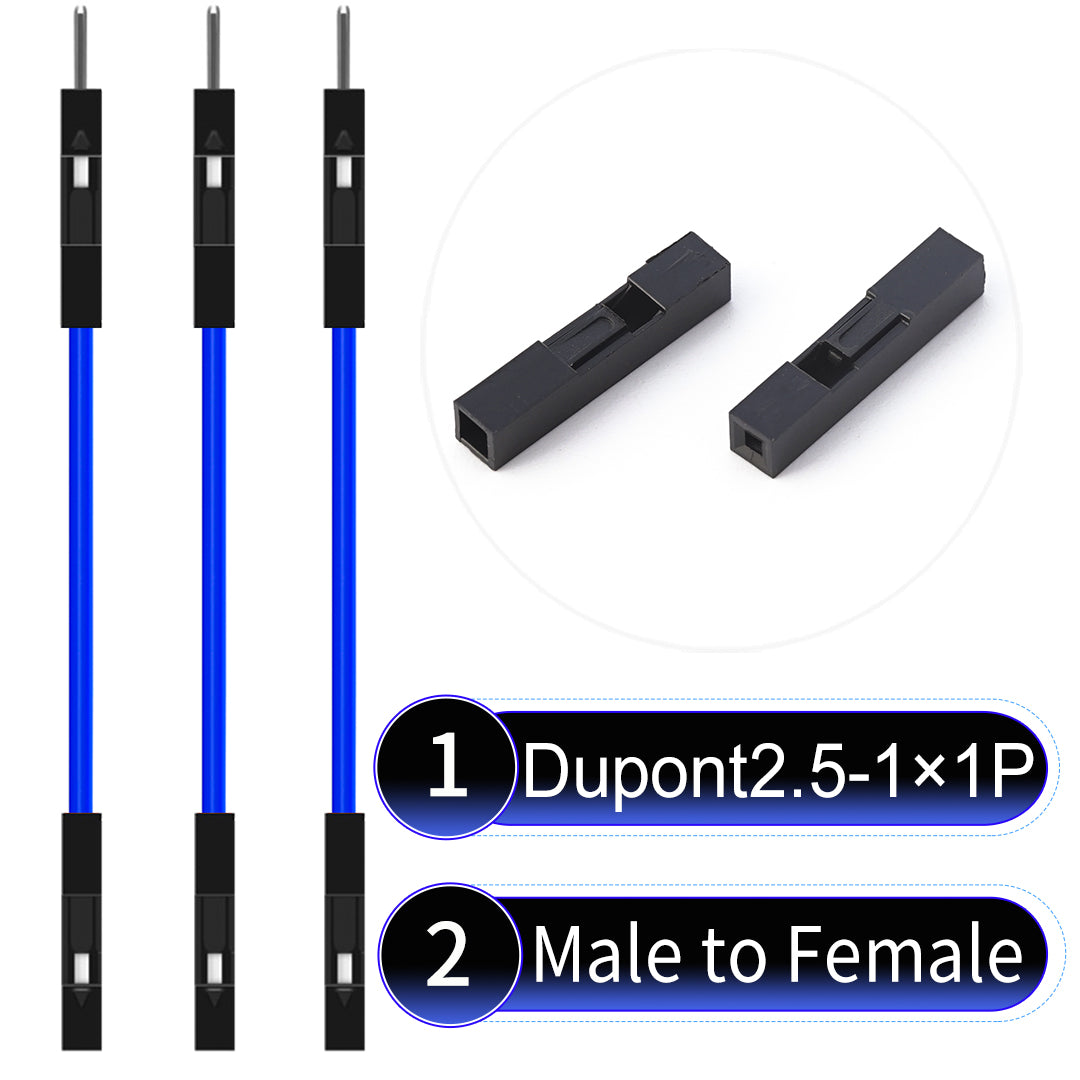
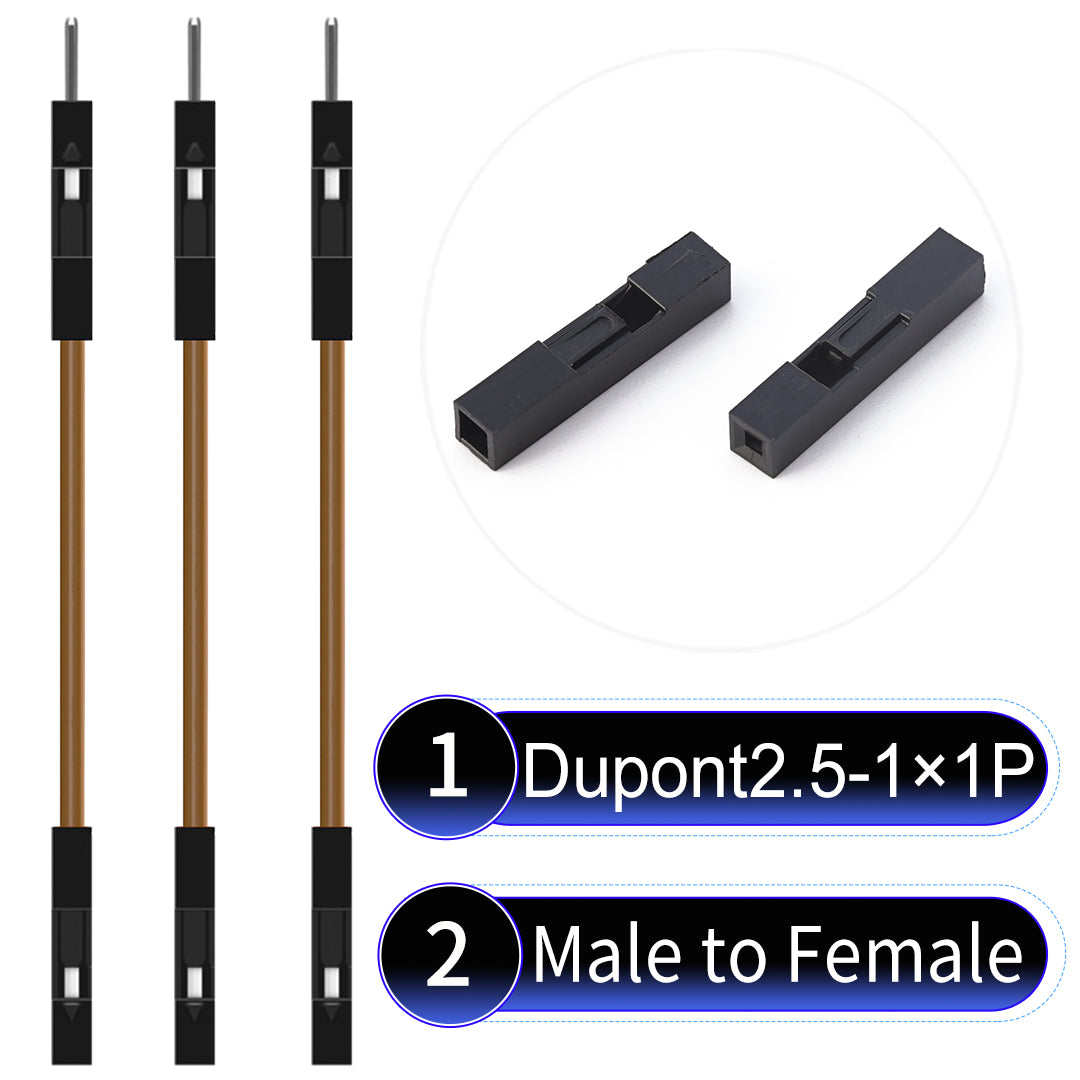
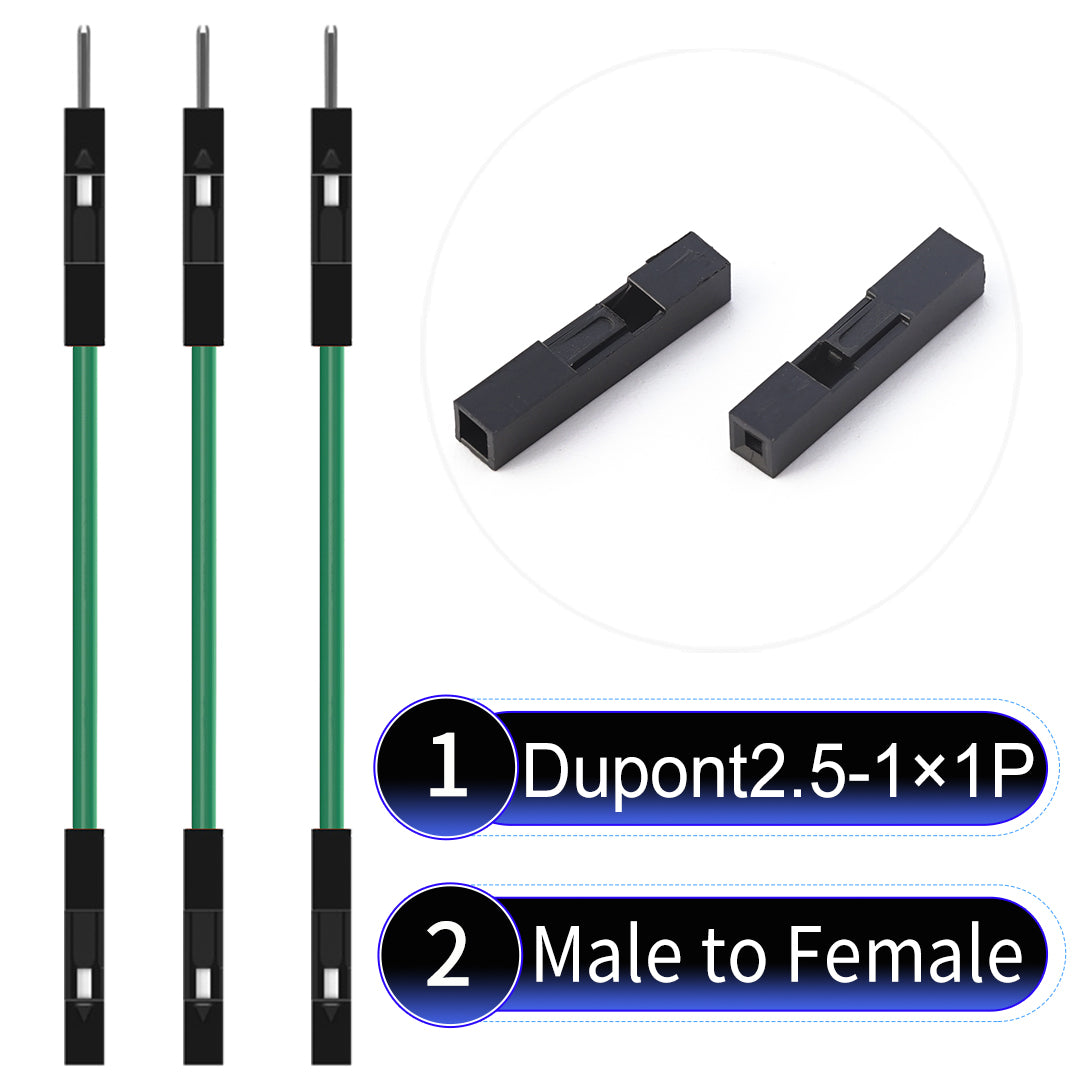
DuPont 2.54mm Male-to-Female 1-Pin Jumper Wire 22AWG UL1007 PVC
DuPont 2.54mm Male-to-Female 1-Pin Jumper Wire 22AWG UL1007 PVC

Couldn't load pickup availability
DuPont 2.54mm Male-to-Female 1-Pin Jumper Wire — 22AWG UL1007 PVC
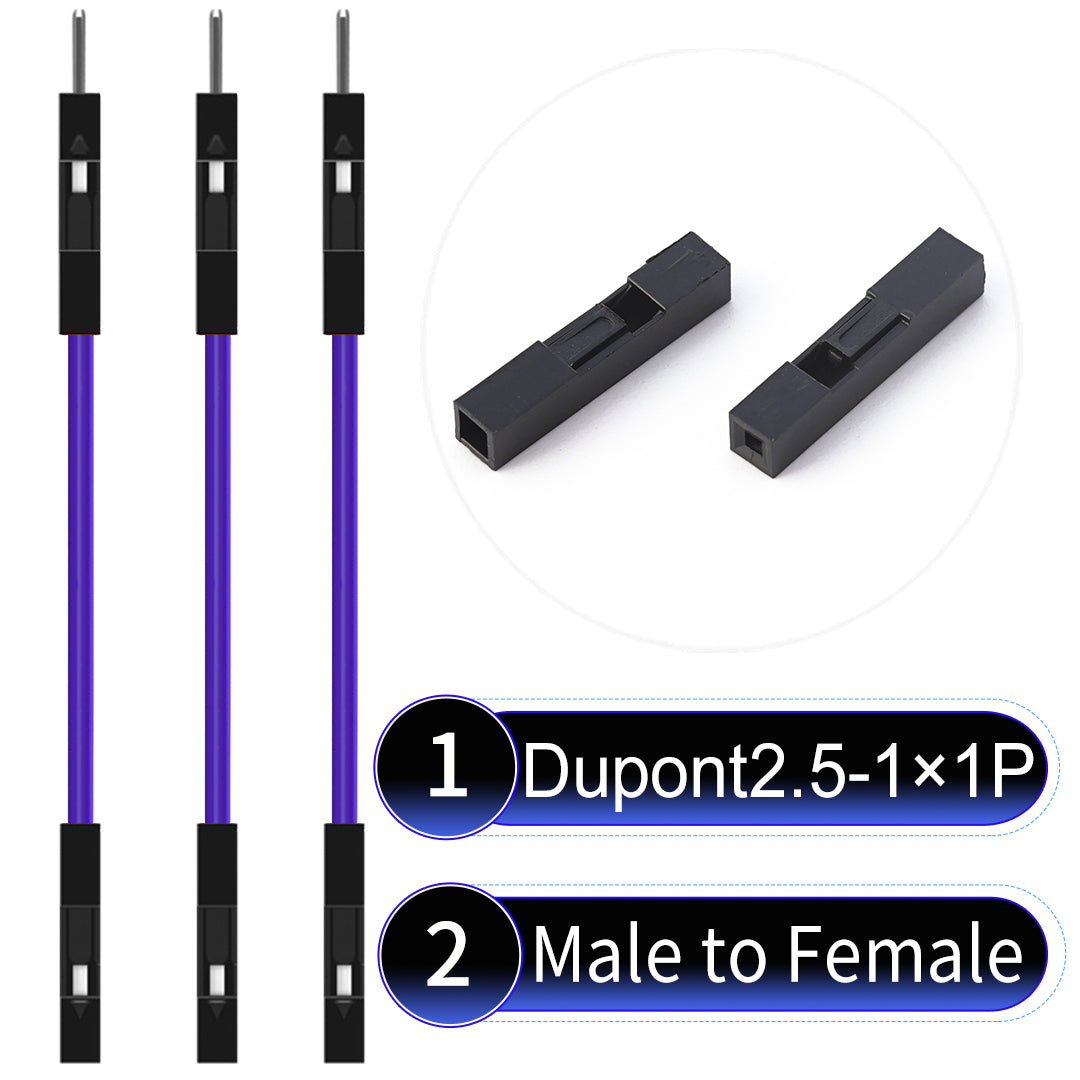
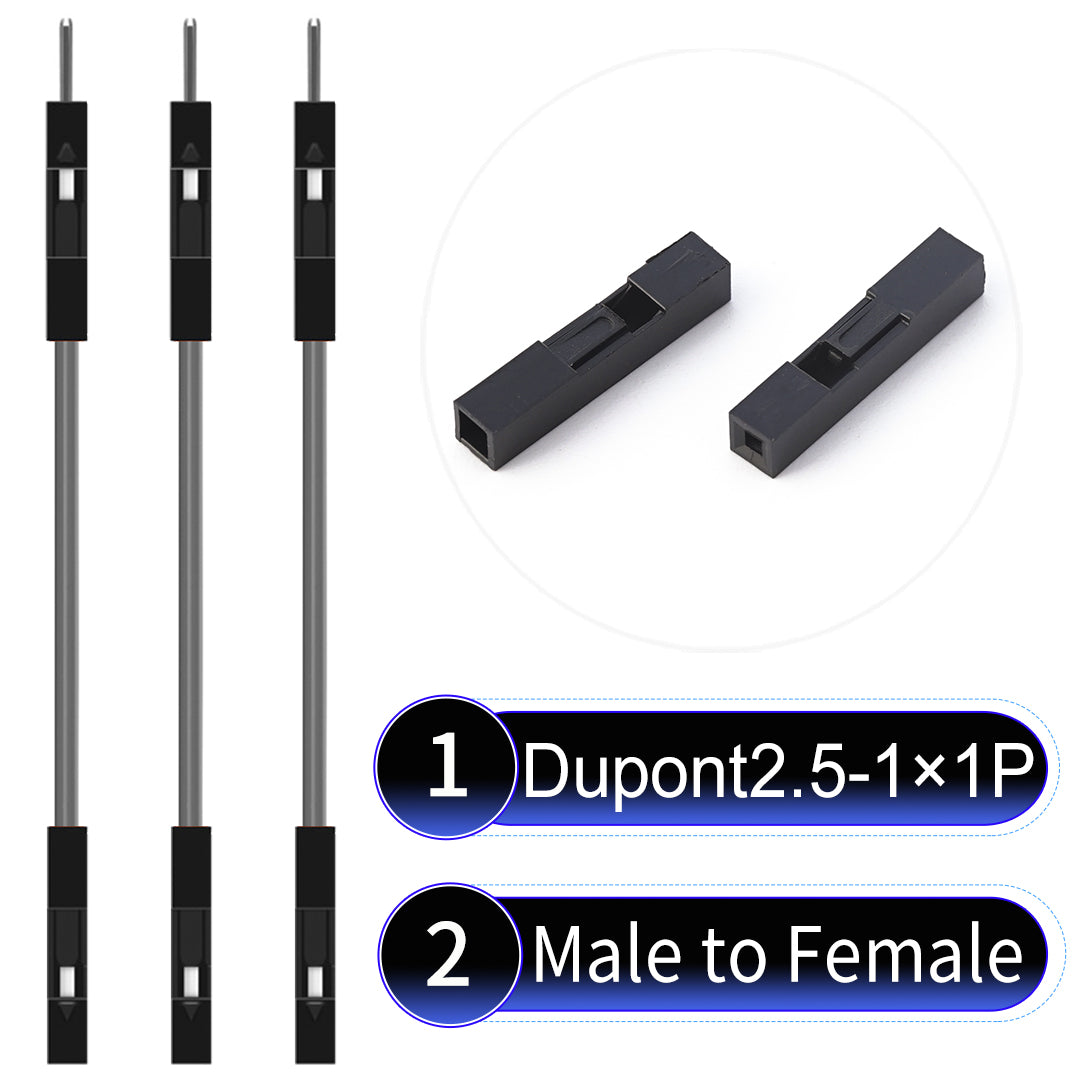
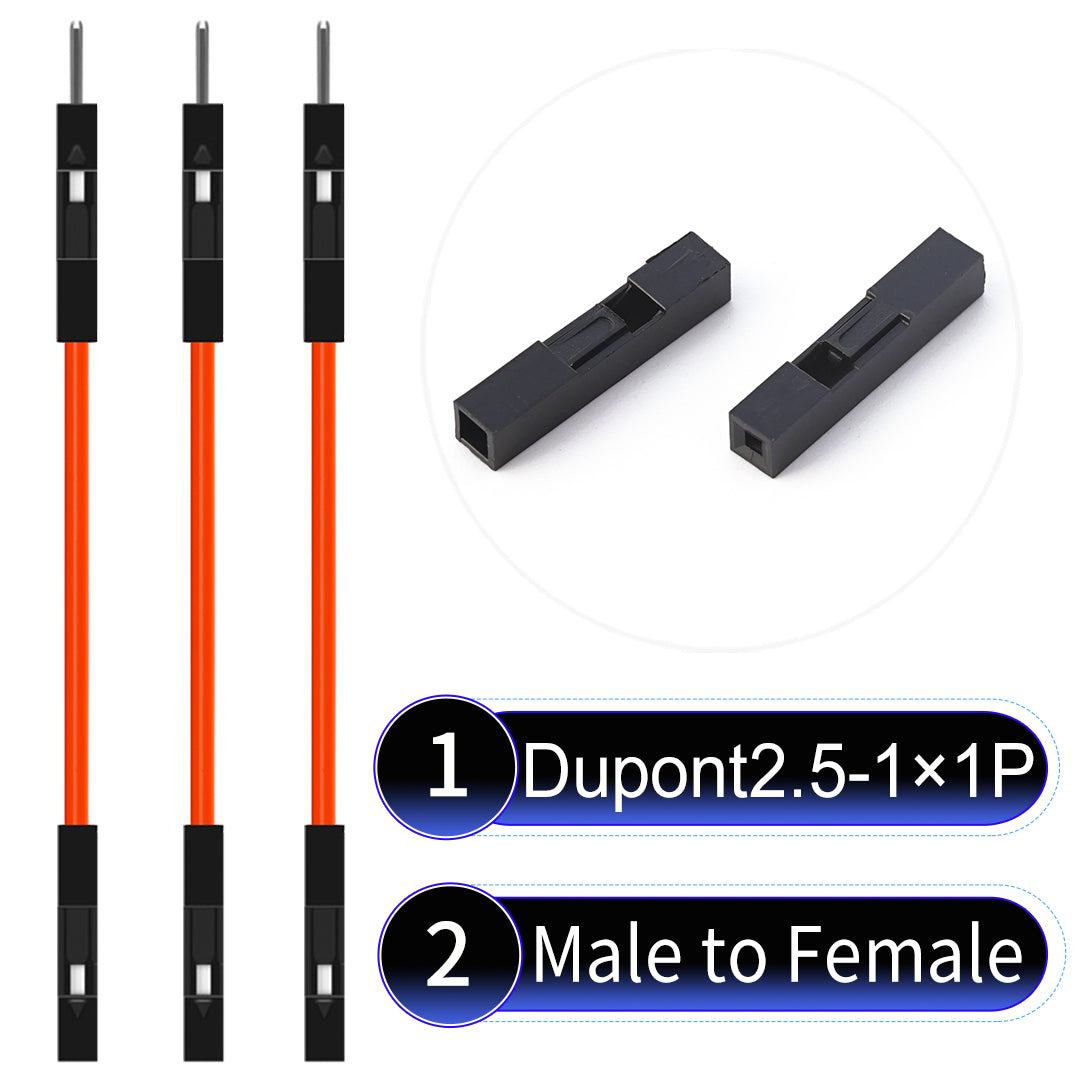
The DuPont 2.54mm male-to-female 1-pin jumper wire is the most versatile single-conductor prototyping cable in any maker's toolkit. With a male pin on one end and a female socket on the other, it bridges pin headers to breadboards, extends GPIO pins, and connects modules to prototyping boards — all without soldering.
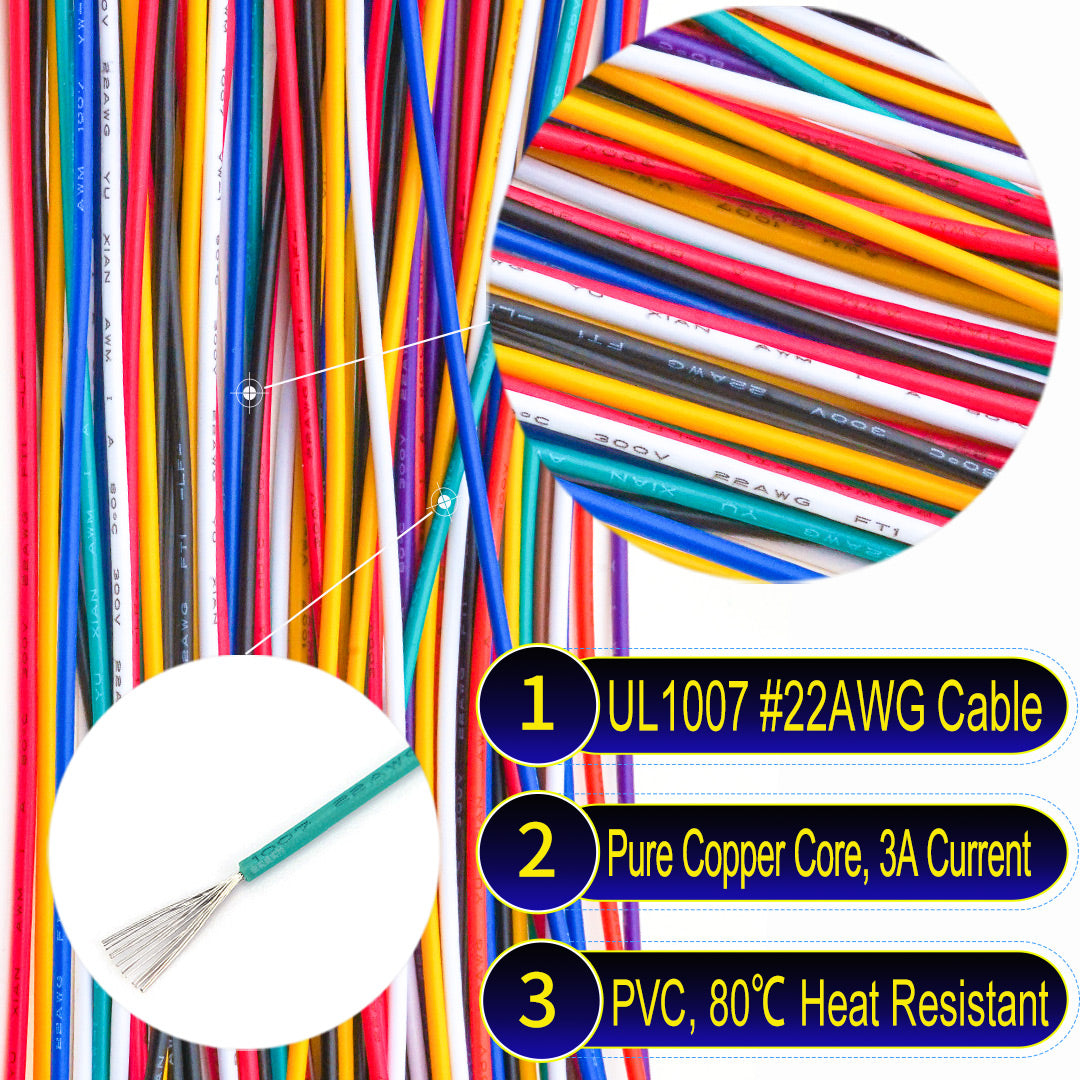
Built to UL1007 PVC standards with 22AWG stranded copper, rated at 3A / 250V, this wire handles both signal and low-current power lines reliably across thousands of insertion cycles.
Key Features
- Male-to-female configuration — the most versatile jumper type: extends pins, bridges headers to breadboards, connects modules to GPIO
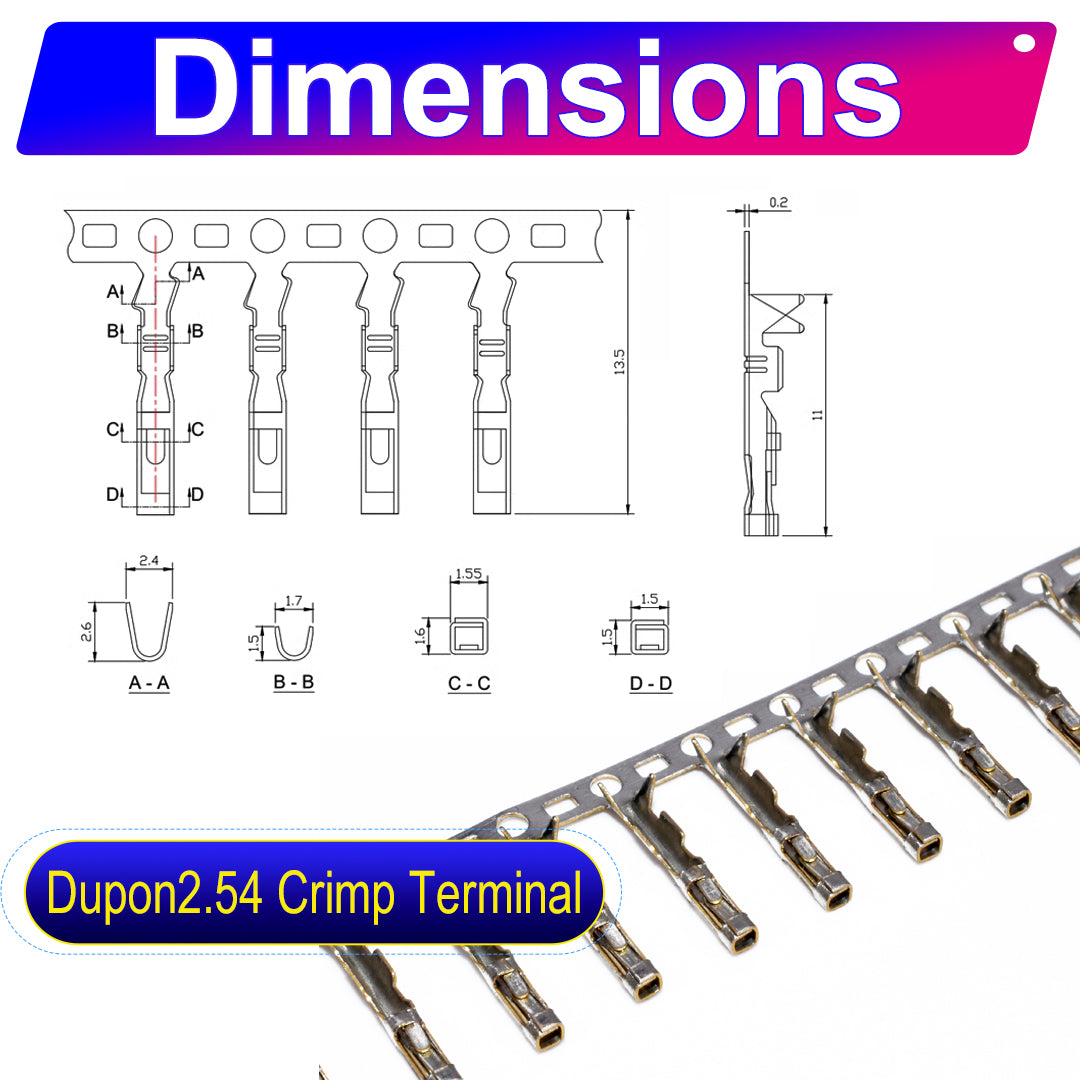
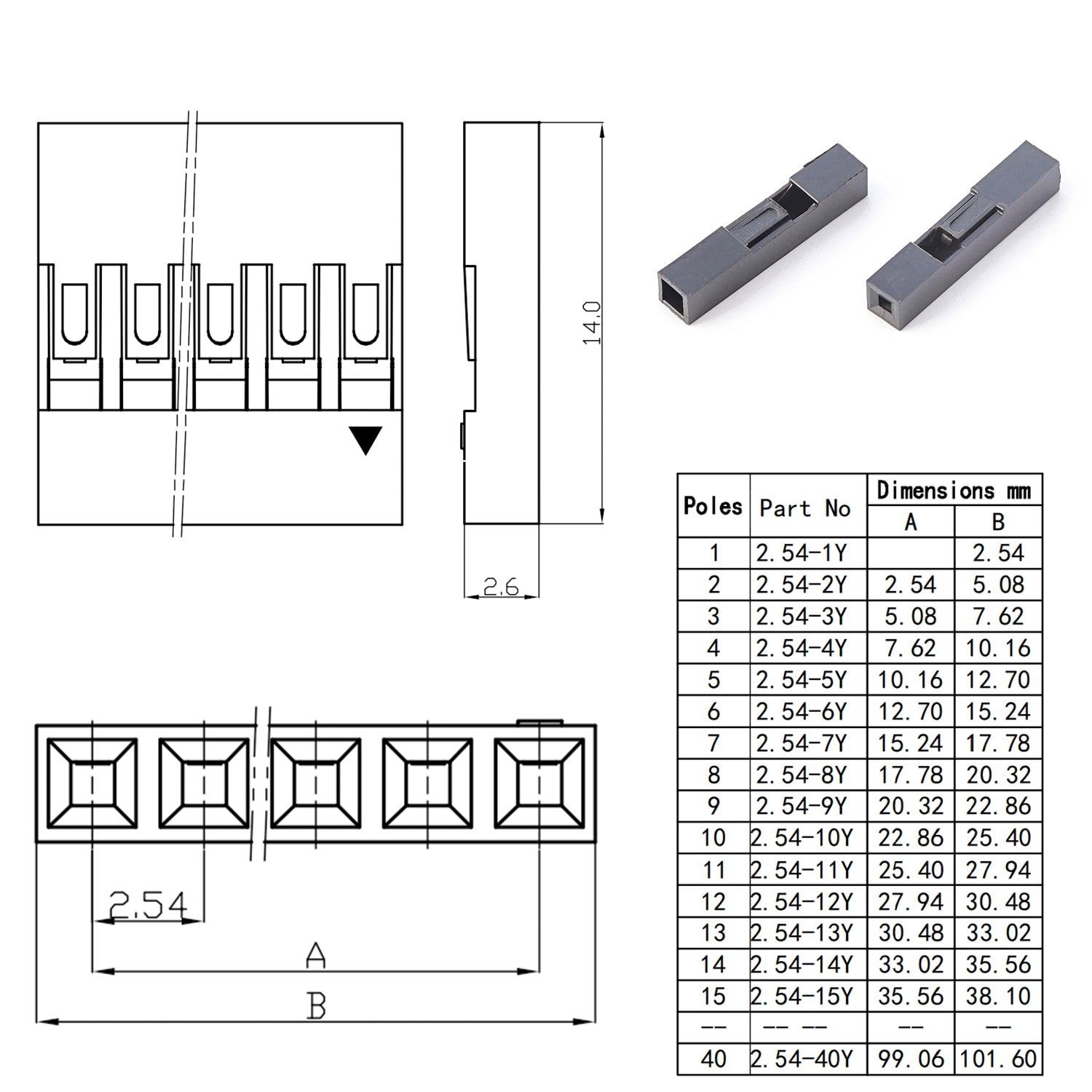
- 2.54mm (0.1") pitch — universal standard for Arduino, Raspberry Pi, ESP32, STM32, and all standard pin headers
- 22AWG stranded copper — flexible, low-resistance, fatigue-resistant for repeated use
- UL1007 PVC insulation — rated −25°C to +80°C, flame-retardant, RoHS compliant
- 3A / 250V rating — suitable for power and signal lines in all standard prototyping applications
- Tin-plated brass contacts — corrosion-resistant, reliable multi-cycle connection
- Multiple colors available — color-code your wiring for instant identification
Typical Applications
- Extending Arduino or Raspberry Pi GPIO pins to breadboard
- Connecting sensor breakout boards (with female headers) to breadboard tie points
- Bridging module-to-module connections in prototyping rigs
- UART, I2C, SPI signal routing between boards
- LED, button, and relay module wiring
- Custom single-wire harness assembly
Technical Specifications
- Connector Type: Male-to-Female (M-F)
- Pin Count: 1
- Pitch: 2.54 mm (0.1")
- Wire Gauge: 22 AWG
- Conductor: Stranded copper
- Insulation: UL1007 PVC
- Voltage Rating: 250V AC/DC
- Current Rating: 3A
- Temperature Range: −25°C to +80°C
- Contact Material: Tin-plated brass
- RoHS Compliant: Yes
- Brand: Keszoox
- Origin: Mainland China
Frequently Asked Questions
Q: What is the difference between M-F and F-F jumper wires?
A: Male-to-female wires have a pin on one end and a socket on the other, making them ideal for extending pins or bridging a header to a breadboard. F-F wires connect two female headers directly.
Q: Is this compatible with Raspberry Pi GPIO?
A: Yes. The male end plugs into the Raspberry Pi 40-pin GPIO header, and the female end connects to a breadboard or sensor module.



Blog posts
View all-

IC Chips & Discrete Components Express Shipping...
Shipping IC chips and discrete electronic components internationally requires more than choosing a carrier. ESD-safe packaging, correct HS codes, accurate customs declarations, and carrier selection for your destination all determine...
IC Chips & Discrete Components Express Shipping...
Shipping IC chips and discrete electronic components internationally requires more than choosing a carrier. ESD-safe packaging, correct HS codes, accurate customs declarations, and carrier selection for your destination all determine...
-

From Prototype to Mass Production — How to Scal...
Scaling from prototype to mass production is the most critical transition in a hardware product's lifecycle. The sourcing strategy that works for 10 prototype boards — cut tape, spot pricing,...
From Prototype to Mass Production — How to Scal...
Scaling from prototype to mass production is the most critical transition in a hardware product's lifecycle. The sourcing strategy that works for 10 prototype boards — cut tape, spot pricing,...
-

ISO 9001 Electronic Component Distributor — Wha...
ISO 9001:2015 certification is the most widely recognized quality management standard in the world — but what does it actually mean when an electronic component distributor claims to be ISO...
ISO 9001 Electronic Component Distributor — Wha...
ISO 9001:2015 certification is the most widely recognized quality management standard in the world — but what does it actually mean when an electronic component distributor claims to be ISO...


