



NE555 Timer IC DIP-8 — Monostable / Astable, 4.5–16V, 200mA Output, Arduino
NE555 Timer IC DIP-8 Monostable / Astable, 4.5–16V, 200mA Output, Arduino
Compatible JST cables for sensors and modules — secure & reliable. Shop now.

Couldn't load pickup availability
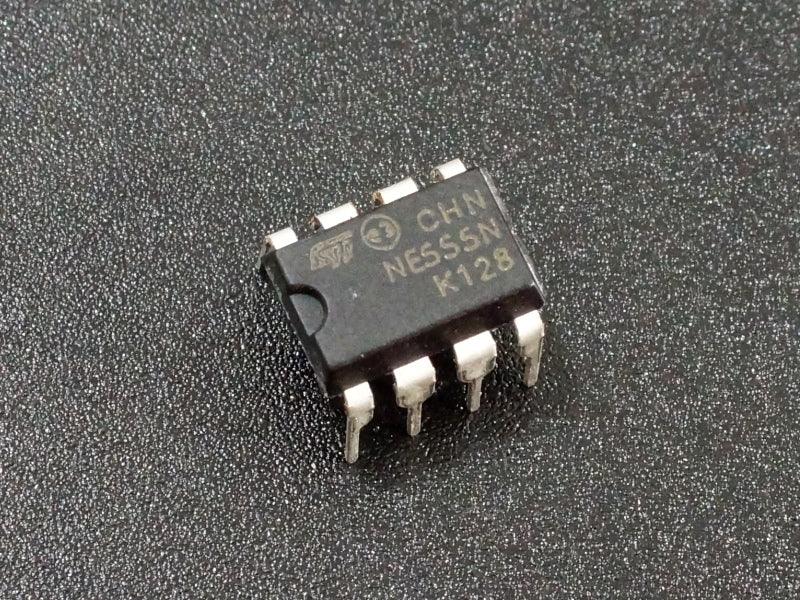
NE555 Timer IC — The Universal Timer/Oscillator, DIP-8
The NE555 is the most iconic and widely used timer IC ever produced — over 1 billion units are manufactured annually, and it has been in continuous production since 1972. In a single 8-pin DIP package, the NE555 implements a precision timing circuit that can operate as a monostable (one-shot) timer, an astable (free-running) oscillator, or a bistable flip-flop, with timing adjustable from microseconds to hours using just a few resistors and a capacitor. Its 200mA output drive capability means it can directly drive LEDs, small relays, buzzers, and speaker elements without additional transistors.
Key Features
- Monostable, astable, and bistable modes — one IC, three operating modes
- Timing range: microseconds to hours — set by external R and C
- Output drive: sink or source up to 200mA — directly drives LEDs, relays, buzzers
- Supply voltage: 4.5–16V — works with 5V Arduino and 9V/12V supplies
- 5V logic compatible output levels at 5V supply
- Adjustable duty cycle in astable mode
- Temperature stable — 0.005% per °C drift
- DIP-8 package — breadboard and through-hole PCB compatible
Technical Specifications
| Operating Voltage | 4.5–16V |
| Supply Current | 6–15mA |
| Output Current (sink/source) | ±200mA |
| Max Frequency (astable) | ~500kHz |
| Timing Accuracy | ±1% (typical) |
| Temperature Drift | 0.005% / °C |
| Package | DIP-8 (through-hole) |
| Manufacturer | Texas Instruments / STMicroelectronics / ON Semiconductor |
Operating Modes
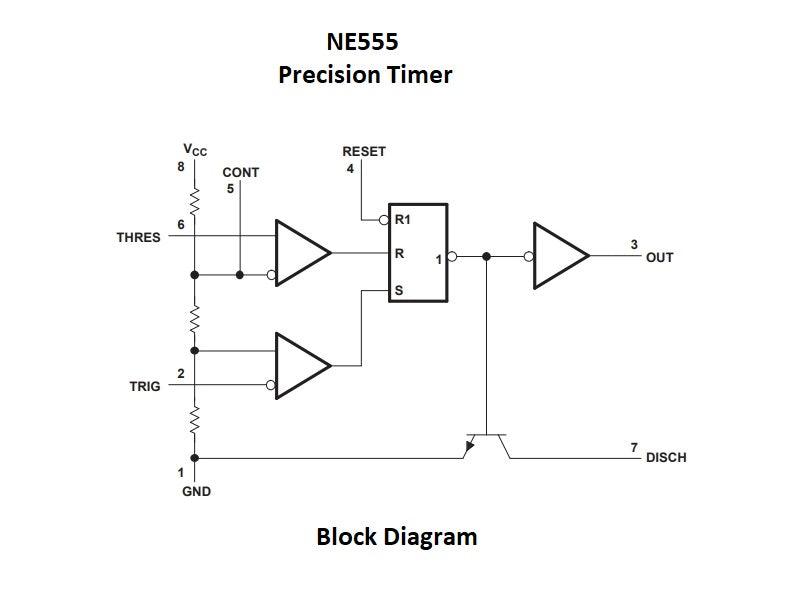
- Monostable (one-shot): Triggered by a pulse, outputs a single pulse of duration T = 1.1 × R × C. Used for debouncing, delay timers, and pulse stretching.
- Astable (oscillator): Free-running square wave output. Frequency f = 1.44 / ((R1 + 2×R2) × C). Used for LED flashers, tone generation, PWM, and clock signals.
- Bistable (flip-flop): Set/Reset latch using TRIGGER and RESET pins. Used for switch debouncing and latching circuits.
Typical Applications
- LED flasher and blinker circuits
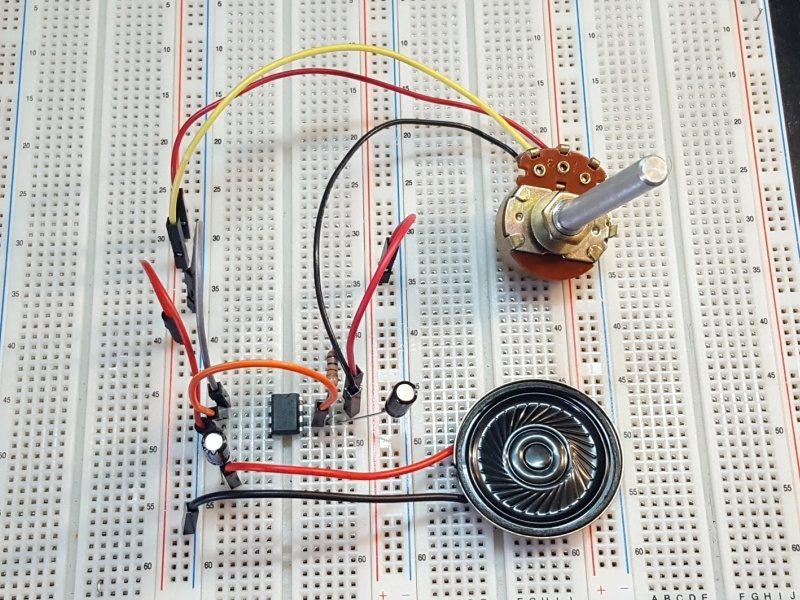
- Tone and alarm generator (buzzer driver)
- PWM signal generation for motor speed control
- Delay timer for relay activation
- Missing pulse detector
- Switch debounce circuit
- Clock signal generator for digital circuits
- Arduino project timing and oscillator circuits
Package Contents
- 1 × NE555 Timer IC (DIP-8, through-hole)

Blog posts
View all-

IC Chips & Discrete Components Express Shipping...
Shipping IC chips and discrete electronic components internationally requires more than choosing a carrier. ESD-safe packaging, correct HS codes, accurate customs declarations, and carrier selection for your destination all determine...
IC Chips & Discrete Components Express Shipping...
Shipping IC chips and discrete electronic components internationally requires more than choosing a carrier. ESD-safe packaging, correct HS codes, accurate customs declarations, and carrier selection for your destination all determine...
-

From Prototype to Mass Production — How to Scal...
Scaling from prototype to mass production is the most critical transition in a hardware product's lifecycle. The sourcing strategy that works for 10 prototype boards — cut tape, spot pricing,...
From Prototype to Mass Production — How to Scal...
Scaling from prototype to mass production is the most critical transition in a hardware product's lifecycle. The sourcing strategy that works for 10 prototype boards — cut tape, spot pricing,...
-

ISO 9001 Electronic Component Distributor — Wha...
ISO 9001:2015 certification is the most widely recognized quality management standard in the world — but what does it actually mean when an electronic component distributor claims to be ISO...
ISO 9001 Electronic Component Distributor — Wha...
ISO 9001:2015 certification is the most widely recognized quality management standard in the world — but what does it actually mean when an electronic component distributor claims to be ISO...


