

Keszoox
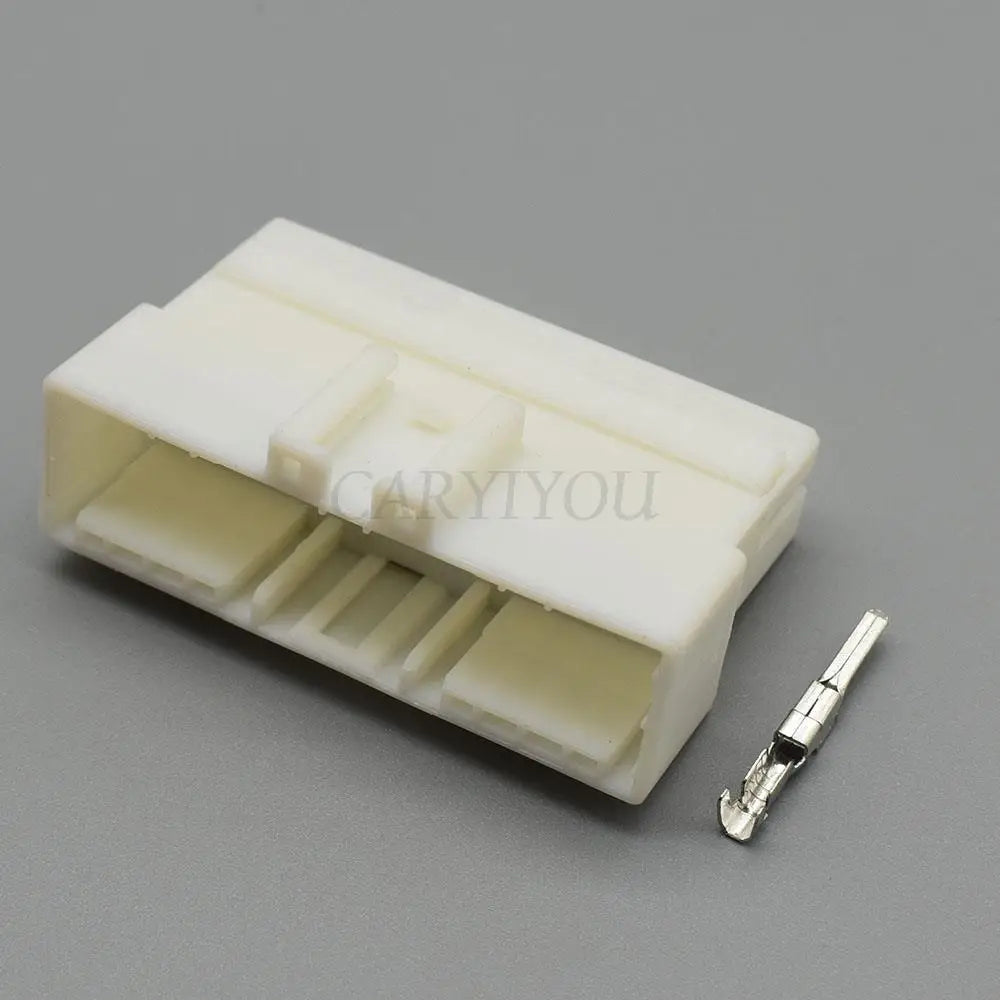
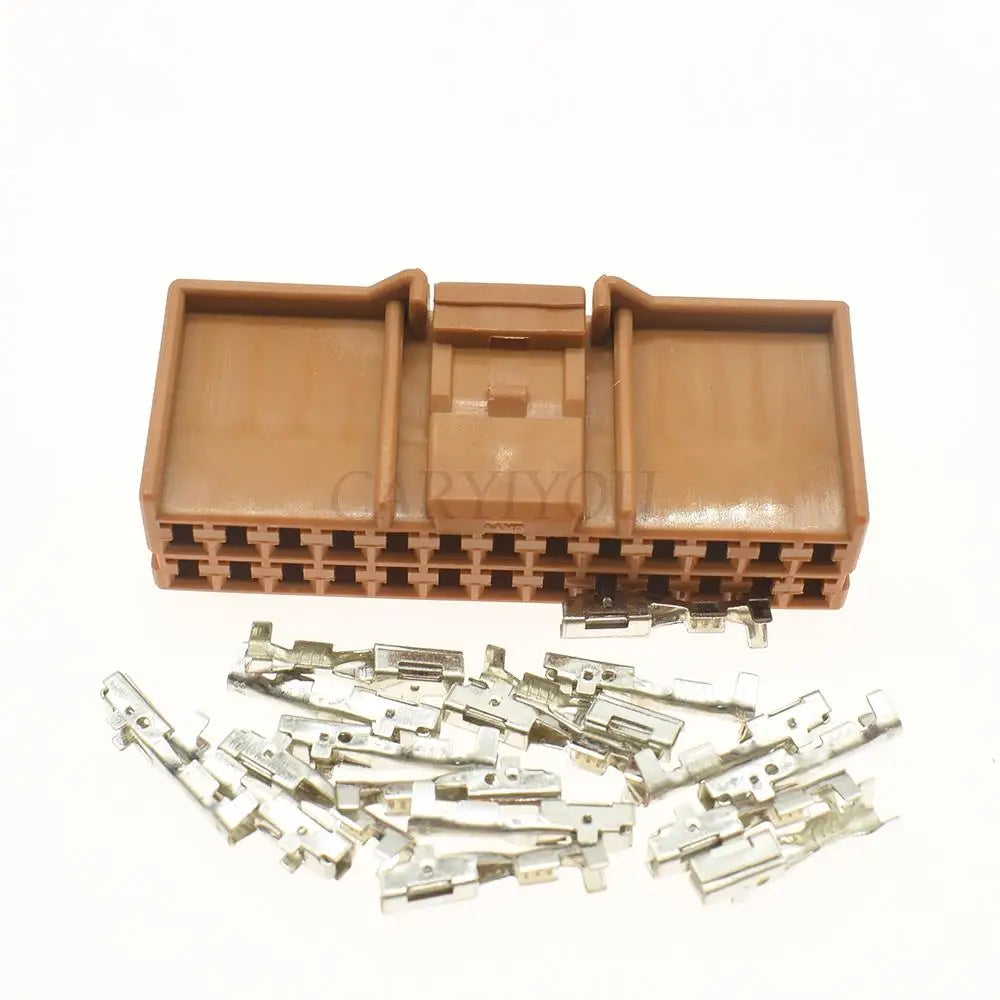
936098-4 / 936133-3 Automotive 26-Pin Unsealed ECU Wiring Connector — Male & Female with Terminals
936098-4 / 936133-3 Automotive 26-Pin Unsealed ECU Wiring Connector Male & Female with Terminals

Couldn't load pickup availability
936098-4 / 936133-3 Automotive 26-Pin Unsealed ECU Wiring Connector
The 936098-4 (male plug) and 936133-3 (female socket) are 26-pin unsealed automotive ECU wiring connectors manufactured to OEM dimensions for direct replacement in engine control unit and body control module wiring harness applications. These TE Connectivity / Tyco-referenced part numbers are used across multiple vehicle platforms for ECU signal and power distribution circuits. The unsealed design is suited for protected interior and underhood locations where direct moisture exposure is not expected.
Key Specifications
| Parameter | Value |
|---|---|
| OEM Part Numbers | 936098-4 (male) / 936133-3 (female) |
| Pin Count | 26-pin |
| Gender | Male plug + Female socket |
| Sealing | Unsealed |
| Housing Material | PA66 glass-filled nylon |
| Terminal Material | Tin-plated copper alloy |
| Operating Temperature | -40°C to +125°C |
| Locking | Positive snap-latch |
| Compliance | RoHS |
Why Replace ECU Connectors
- Terminal corrosion causes DTCs — corroded ECU connector terminals cause intermittent signal faults, triggering diagnostic trouble codes (DTCs) that are difficult to diagnose without inspecting the connector
- Bent or damaged pins — ECU connectors are frequently damaged during removal; replacing the housing and terminals restores the original electrical connection
- OEM dimensions ensure proper mating — aftermarket connectors with incorrect dimensions create loose connections that cause intermittent ECU faults
- Cost-effective repair — replacing the connector is far cheaper than replacing the ECU or wiring harness
Typical Applications
- ECU connector repair on vehicles using TE/Tyco 936-series connectors
- Body Control Module (BCM) wiring harness repair
- Transmission Control Unit (TCU) connector replacement
- General 26-pin ECU connector repair and replacement
Frequently Asked Questions
Q: How do I safely remove an ECU connector without damaging the terminals?
Always disconnect the battery before working on ECU connectors. Locate the connector locking lever or tab and release it fully before pulling the connector — never force a locked connector. Use a terminal removal pick to release individual terminals if needed. Inspect all terminals for corrosion, bending, or push-back before reinstalling.
Q: What causes ECU connector terminal corrosion?
The most common causes are moisture ingress through cracked housing or damaged wire seals, condensation in the ECU mounting location, and road salt contamination. Inspect the ECU mounting location for water ingress paths and address the root cause before replacing the connector to prevent repeat failure.