

Keszoox
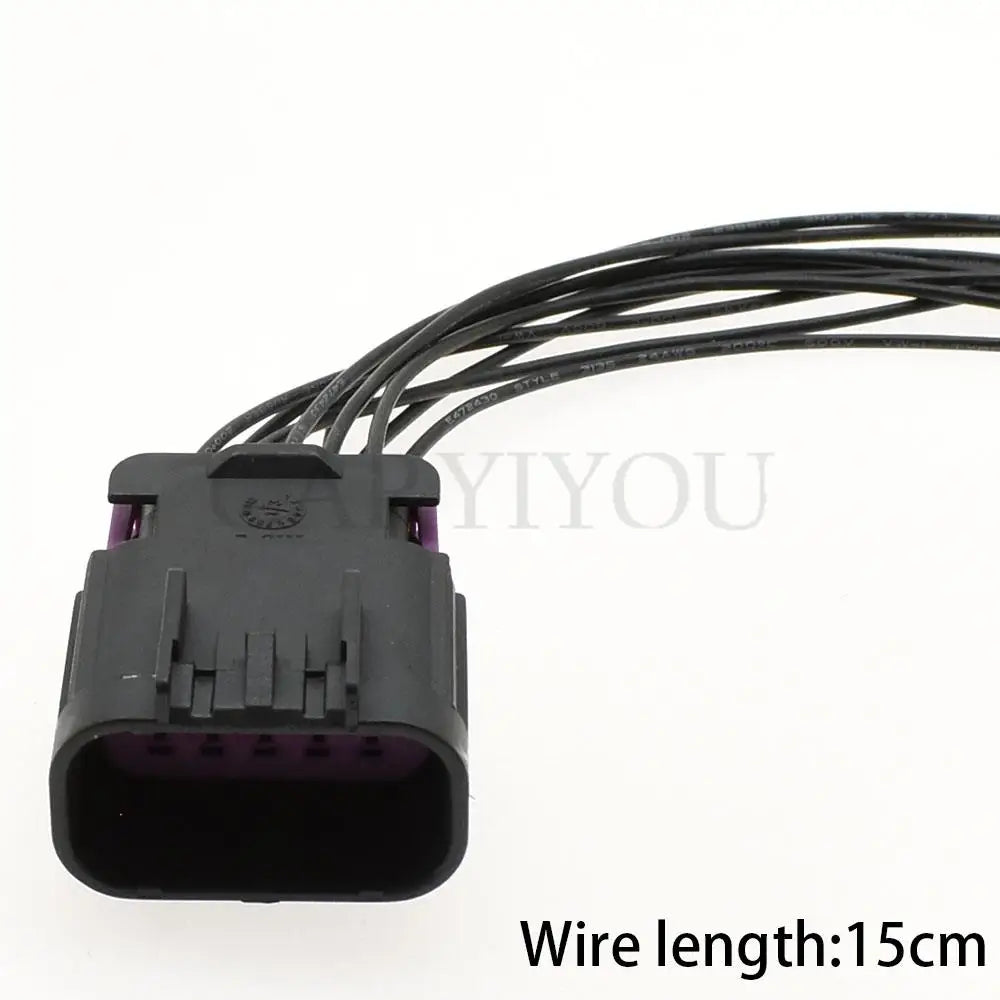
15326847 / 15326842 Automotive 10-Pin Waterproof Connector — EFI Engine Oil Pump & AC Assembly Light Socket
15326847 / 15326842 Automotive 10-Pin Waterproof Connector EFI Engine Oil Pump & AC Assembly Light Socket

Couldn't load pickup availability
15326847 / 15326842 Automotive 10-Pin Waterproof Connector — EFI Engine Oil Pump & AC Assembly
The 15326847 and 15326842 are 10-pin waterproof automotive connectors for EFI (Electronic Fuel Injection) engine oil pump, AC assembly, and lighting wiring harness applications on Delphi-harness GM and Chevrolet vehicles. These Delphi (now Aptiv) part numbers are used in underhood sealed connector applications on Chevrolet Cruze, Malibu, Captiva, and related GM-platform vehicles. The sealed 10-pin configuration provides moisture protection for oil pump control, AC compressor, and lighting circuits in underhood environments.
Delphi (Aptiv) is one of the world’s largest automotive wiring harness manufacturers, supplying sealed connector systems to GM, Ford, and many other OEMs. The 15326847/15326842 connector family is part of Delphi’s sealed connector portfolio for underhood applications requiring IP67 moisture protection.
Key Specifications
| Parameter | Value |
|---|---|
| OEM Part Numbers | 15326847 / 15326842 |
| Manufacturer | Delphi / Aptiv |
| Pin Count | 10-pin |
| Sealing | Waterproof (sealed) |
| Application | EFI oil pump / AC assembly / lighting |
| Housing Material | PA66 glass-filled nylon |
| Terminal Material | Tin-plated copper alloy |
| Operating Temperature | -40°C to +125°C |
| Compatible Platforms | Chevrolet Cruze, Malibu, Captiva; GM-platform vehicles |
| Compliance | RoHS |
EFI Oil Pump Connector — Why It Matters
- Variable displacement oil pump control — modern EFI engines use electronically controlled variable displacement oil pumps; the connector interfaces the ECU with the oil pump solenoid and pressure sensor circuits
- Oil pump connector failure causes P0521/P0522 DTCs — a corroded oil pump connector terminal causes incorrect oil pressure sensor readings, triggering oil pressure warning lights and P0521 (oil pressure sensor range/performance) or P0522 (oil pressure sensor low) DTCs
- Sealed for oil contamination resistance — the oil pump connector is located near the engine oil system and must resist oil contamination; the sealed design prevents oil from wicking into the connector and corroding the terminals
- Delphi OEM standard — manufactured to Delphi mating specifications for direct replacement on GM-platform vehicles
Typical Applications
- Chevrolet Cruze / Malibu EFI oil pump connector repair
- GM-platform AC compressor connector replacement
- Underhood lighting circuit sealed connector repair
- Delphi 10-pin sealed connector replacement on GM vehicles
Frequently Asked Questions
Q: What DTCs indicate a faulty EFI oil pump connector?
Common DTCs associated with EFI oil pump connector faults include: P0521 (engine oil pressure sensor/switch range/performance), P0522 (engine oil pressure sensor/switch low voltage), P0523 (engine oil pressure sensor/switch high voltage), and P0524 (engine oil pressure too low). Before replacing the oil pressure sensor or oil pump, inspect the connector for corrosion and measure the sensor output voltage at the connector terminals — a corroded terminal is frequently the root cause of these DTCs.
Q: How do I access the oil pump connector on Chevrolet Cruze?
The oil pump connector on Chevrolet Cruze is located on the engine block near the oil filter housing. Access from above (engine bay) after removing the engine cover. The connector is typically accessible without lifting the vehicle. Clean the connector area with brake cleaner before disconnecting to prevent oil contamination of the terminals. Disconnect the battery before working on any engine management connectors.
Q: Can oil contamination permanently damage the connector terminals?
Yes — engine oil contamination of connector terminals causes a thin insulating oil film on the contact surfaces that increases contact resistance and causes intermittent faults. If the connector has been contaminated with oil, clean the terminals with electrical contact cleaner and inspect for corrosion. If corrosion is present or the oil film cannot be fully removed, replace the connector and terminals. Apply dielectric grease to the new terminals before assembly to prevent future oil contamination.