



Silicone Wire 20AWG Ultra Flexible 2-Conductor — Parallel Twin Lead
Silicone Wire 20AWG Ultra Flexible 2-Conductor Parallel Twin Lead
Compatible JST cables for sensors and modules — secure & reliable. Shop now.

Couldn't load pickup availability
Silicone Wire 20AWG Ultra Flexible 2-Conductor — Parallel Twin Lead
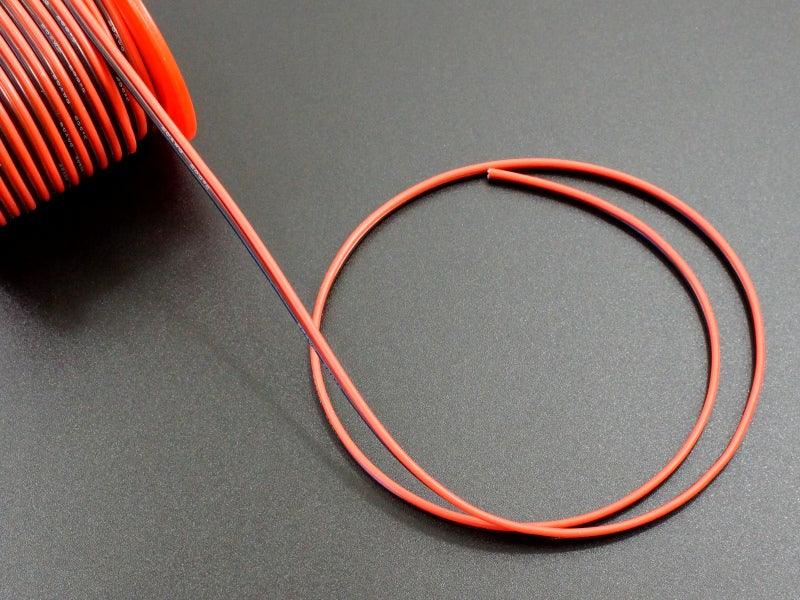
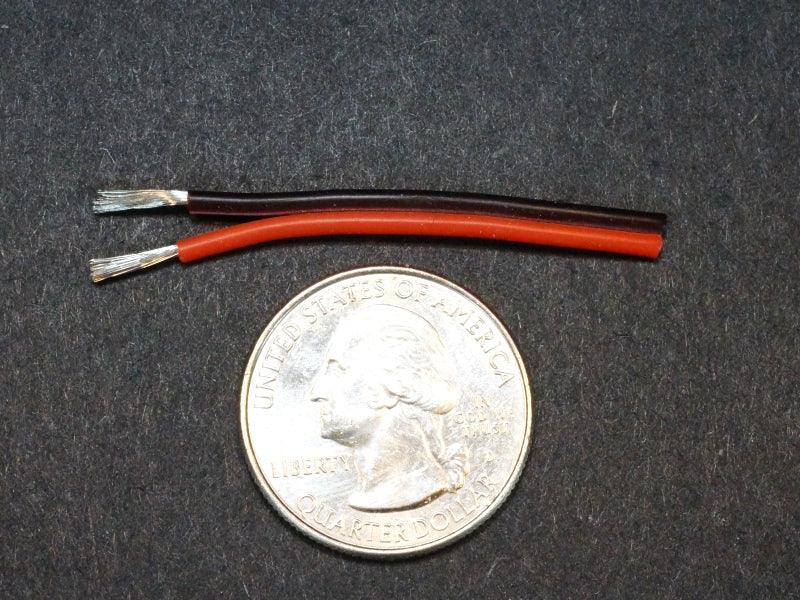
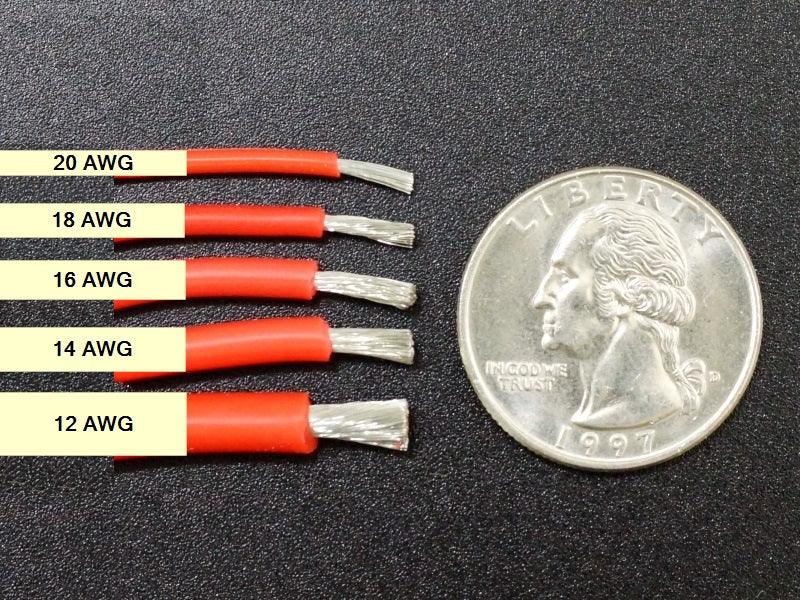
20AWG ultra-flexible silicone wire in a 2-conductor parallel twin lead configuration. Positive and negative conductors bonded together for neat, tangle-free wiring. Rated for 200°C and 680V with tinned copper conductors. The lightest gauge in the silicone wire range — ideal for signal wiring, sensor connections, and low-current power distribution.
Key Specifications
- Gauge: 20AWG ×2 | Conductor: Tinned copper (stranded)
- Insulation: Silicone rubber | Temperature: −60°C to +200°C
- Voltage rating: 680V | Current capacity: ~10A per conductor
- Configuration: 2-conductor parallel twin lead
- Compliance: RoHS compliant
Typical Applications
- Arduino sensor signal and power wiring
- Low-current DC power distribution
- Wearable electronics and compact project wiring
- General electronics signal wiring harness

Blog posts
View all-

IC Chips & Discrete Components Express Shipping...
Shipping IC chips and discrete electronic components internationally requires more than choosing a carrier. ESD-safe packaging, correct HS codes, accurate customs declarations, and carrier selection for your destination all determine...
IC Chips & Discrete Components Express Shipping...
Shipping IC chips and discrete electronic components internationally requires more than choosing a carrier. ESD-safe packaging, correct HS codes, accurate customs declarations, and carrier selection for your destination all determine...
-

From Prototype to Mass Production — How to Scal...
Scaling from prototype to mass production is the most critical transition in a hardware product's lifecycle. The sourcing strategy that works for 10 prototype boards — cut tape, spot pricing,...
From Prototype to Mass Production — How to Scal...
Scaling from prototype to mass production is the most critical transition in a hardware product's lifecycle. The sourcing strategy that works for 10 prototype boards — cut tape, spot pricing,...
-

ISO 9001 Electronic Component Distributor — Wha...
ISO 9001:2015 certification is the most widely recognized quality management standard in the world — but what does it actually mean when an electronic component distributor claims to be ISO...
ISO 9001 Electronic Component Distributor — Wha...
ISO 9001:2015 certification is the most widely recognized quality management standard in the world — but what does it actually mean when an electronic component distributor claims to be ISO...


